
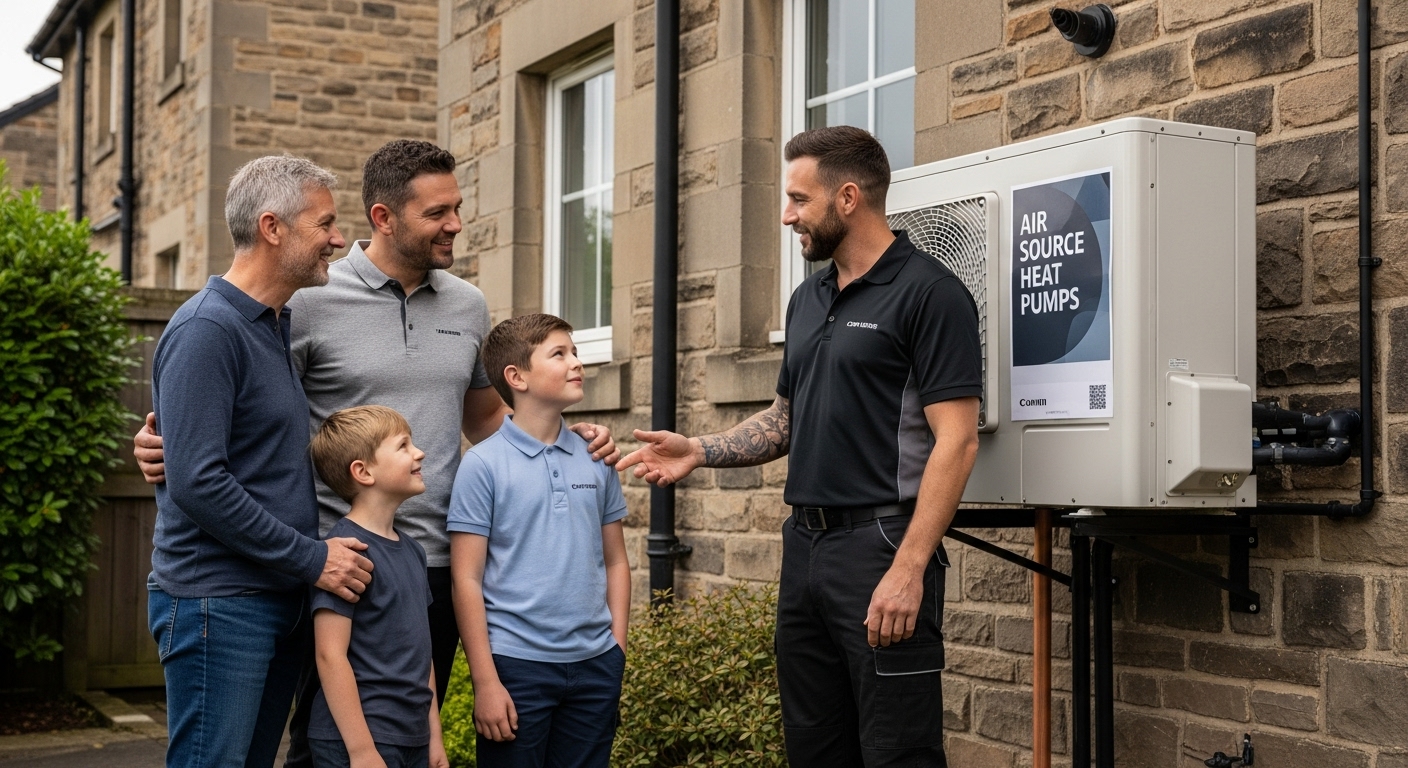
Understanding Air Source Heat Pumps for Your Home
Air source heat pumps are changing the way homes and businesses in the UK keep warm, and their popularity is rising fast. Most people think heating your home in winter means burning through expensive gas or oil, but that’s missing something big. These clever units can work even in temperatures as low as minus 15 degrees Celsius and produce three to four times more heat than the electricity they use. The real surprise? They do all this by capturing warmth from the air outside, making your next energy bill lower and your carbon footprint smaller.
Table of Contents
- What Are Air Source Heat Pumps And How Do They Work?
- Why Air Source Heat Pumps Matter For Homeowners And Businesses
- The Key Concepts Behind Air Source Heat Pumps Explained
- Benefits Of Using Air Source Heat Pumps In Edinburgh And Midlothian
- Real-World Applications Of Air Source Heat Pumps
Quick Summary
| Takeaway | Explanation |
|---|---|
| Air source heat pumps enhance energy efficiency. | They convert minimal electrical input into substantial heating output, reducing overall energy costs. |
| Two main types exist: air to water and air to air. | Air to water pumps heat water for radiators, while air to air systems provide direct interior warmth. |
| Investing in heat pumps can increase property value. | Homeowners adopting this technology may benefit from higher market values due to energy efficiency and sustainability. |
| They significantly reduce carbon emissions. | By sourcing heat from the air instead of burning fossil fuels, they contribute to environmental sustainability efforts. |
| Systems operate effectively in low temperatures. | Modern air source heat pumps can perform well even at temperatures down to negative 15 degrees Celsius. |
What are Air Source Heat Pumps and How Do They Work?
Air source heat pumps represent an innovative renewable heating technology that transforms how homes generate warmth by extracting heat from external air. Unlike traditional heating systems that burn fuel, these intelligent devices capture and transfer existing heat energy, making them significantly more energy efficient.
The Basic Mechanism of Heat Transfer
At its core, an air source heat pump operates like a reverse refrigerator. The Energy Saving Trust explains that these systems absorb heat from outside air temperatures, even when it feels cold, using a special refrigerant fluid that circulates through an external unit.
The heat transfer process involves three critical stages:
- Absorption of ambient heat from outside air
- Compression of refrigerant to increase temperature
- Distribution of generated warmth through home heating systems
When outdoor temperatures drop, the refrigerant can extract thermal energy efficiently, with modern heat pumps functioning effectively even when external temperatures reach as low as negative 15 degrees Celsius.
Types of Air Source Heat Pump Systems
Two primary configurations exist for air source heat pumps: air to water and air to air systems.
 Air to water heat pumps work by transferring absorbed heat into water, which then circulates through radiators or underfloor heating networks. Air to air systems generate warmth directly into interior spaces using fan coil units, similar to air conditioning mechanisms.
The efficiency of these systems is measured through a performance metric called the Coefficient of Performance (COP), which indicates how much heat energy is produced relative to electricity consumed.
To aid understanding of the two main types of air source heat pump systems, the table below compares their key features and applications.
| System Type | Heat Delivery Method | Typical Application | Advantages |
|---|---|---|---|
| Air to Water | Heats water for radiators or underfloor heating | Suitable for homes with wet central heating systems | Integrates with existing radiators, supports domestic hot water |
| Air to Air | Provides warm air via indoor fan units | Often used in properties without wet heating systems | Can both heat and cool, rapid room warming |
| High quality air source heat pumps can generate three to four units of heat for every single unit of electrical input, representing remarkable energy conversion efficiency. |
By leveraging renewable energy principles, air source heat pumps offer homeowners a sustainable alternative to traditional fossil fuel heating methods, reducing carbon emissions and potentially lowering long term energy expenditure.
Why Air Source Heat Pumps Matter for Homeowners and Businesses
Air source heat pumps have emerged as a transformative technology offering significant environmental and economic advantages for modern property owners. By shifting away from traditional fossil fuel heating systems, homeowners and businesses can substantially reduce their carbon footprint while achieving more efficient and sustainable energy solutions.
Economic Benefits and Cost Savings
The Energy Saving Trust highlights that air source heat pumps can generate substantial long term financial advantages. These systems operate with remarkable efficiency, converting minimal electrical input into substantial heating output, which translates directly into reduced energy expenditure.
Key economic advantages include:
- Lower monthly energy bills compared to traditional heating systems
- Potential eligibility for government renewable energy incentives
- Reduced maintenance costs due to fewer moving mechanical parts
- Increased property value through sustainable technology installation
Environmental Impact and Sustainability
Beyond financial considerations, air source heat pumps play a critical role in combating climate change. By extracting renewable heat energy from ambient air, these systems dramatically reduce reliance on fossil fuels. Carbon emissions are significantly minimized, with each installation contributing to broader national decarbonization objectives.
Businesses particularly benefit from demonstrating environmental responsibility. Air source heat pump installation in Edinburgh allows organizations to showcase their commitment to sustainable practices while simultaneously reducing operational energy expenses.
The technology represents more than just a heating solution it symbolizes a progressive approach to energy consumption.
The following table outlines key financial and environmental benefits of air source heat pumps for homeowners and businesses, helping clarify why these systems are increasingly favoured over traditional heating solutions.
| Benefit Category | Description |
|---|---|
| Reduced Energy Bills | More efficient heat generation leads to lower ongoing energy costs |
| Low Carbon Emissions | Extracts heat from ambient air, lessening reliance on fossil fuels and reducing CO2 output |
| Government Incentives | Eligibility for renewables funding and tax reliefs, reducing upfront costs |
| Increased Property Value | Adds market value due to improved energy efficiency and sustainability credentials |
| Lower Maintenance | Fewer mechanical parts reduce the risk of breakdown and associated repair costs |
| Homeowners and businesses investing in air source heat pumps are not merely purchasing a product but participating in a broader movement towards responsible, efficient, and environmentally conscious energy management. |
The Key Concepts Behind Air Source Heat Pumps Explained
Understanding the fundamental principles of air source heat pumps requires exploring their complex yet elegant thermal engineering. These innovative systems transform environmental heat into usable warmth through sophisticated thermodynamic processes that challenge traditional heating methodologies.
Thermodynamic Principles of Heat Transfer
The National Grid explains that air source heat pumps operate by moving thermal energy from one location to another, rather than generating heat directly. This fundamental principle allows them to achieve remarkable efficiency by transferring existing heat instead of creating it through combustion.
The core thermodynamic concepts involve:
- Heat always moves from warmer to cooler environments
- Energy can be transferred and transformed between different states
- Refrigerant acts as a critical medium for thermal exchange
- Compression increases the temperature of transferred heat
Refrigerant Cycle and Energy Conversion
The refrigerant cycle represents the heart of air source heat pump technology.
This sophisticated process involves four primary stages: evaporation, compression, condensation, and expansion. During evaporation, the refrigerant absorbs heat from external air, even at low temperatures. The compressor then increases the refrigerant’s temperature and pressure, enabling efficient heat transfer.
When the compressed refrigerant reaches the condenser, it releases its thermal energy into the home’s heating system. The expansion valve then reduces pressure, allowing the refrigerant to cool and restart the cycle. This continuous process enables exceptional energy conversion, typically generating three to four units of heat for every unit of electrical input.
Efficiency and Performance Metrics
Professional assessment of air source heat pump performance relies on specific metrics like Coefficient of Performance (COP) and Seasonal Performance Factor (SPF). These indicators help homeowners understand the system’s efficiency across varying environmental conditions. A high COP indicates superior heat generation relative to electrical consumption, providing clear evidence of the technology’s advanced thermal engineering capabilities.

Benefits of Using Air Source Heat Pumps in Edinburgh and Midlothian
The unique climatic conditions and environmental priorities of Edinburgh and Midlothian make air source heat pumps an exceptionally attractive heating solution for regional homeowners. These advanced systems offer tailored benefits that address both economic and ecological challenges specific to Scottish urban and suburban environments.
Economic Advantages for Local Homeowners
Energy Saving Trust confirms that air source heat pumps provide substantial financial benefits for Scottish households. In regions like Edinburgh and Midlothian, where heating costs can be significant, these systems offer a compelling alternative to traditional fossil fuel heating methods.
Key economic benefits include:
- Reduced monthly energy expenditure
- Lower carbon taxation potential
- Increased property market value
- Potential government renewable energy incentives
Climate Resilience and Environmental Impact
Edinburgh and Midlothian’s variable climate demands heating technologies that perform efficiently across temperature ranges. Air source heat pumps excel in these conditions, extracting thermal energy effectively even during colder months. Modern heat pump technologies function optimally between negative 15 and positive 35 degrees Celsius, making them remarkably suitable for Scottish weather patterns.
Our solar thermal systems complement air source heat pump installations, allowing homeowners to create comprehensive renewable energy solutions that maximize efficiency and minimize environmental impact.
Long Term Sustainability and Regional Development
Beyond individual household benefits, air source heat pumps contribute significantly to broader regional sustainability objectives. By reducing reliance on fossil fuels, these systems support Edinburgh and Midlothian’s commitment to progressive environmental policies. Homeowners investing in this technology become active participants in Scotland’s transition towards a more sustainable, low carbon future.
Real-World Applications of Air Source Heat Pumps
Air source heat pumps have transcended theoretical potential, emerging as practical solutions across diverse residential, commercial, and institutional settings. Their versatility enables implementation in scenarios ranging from compact urban dwellings to expansive agricultural facilities, demonstrating remarkable adaptability in addressing heating and cooling requirements.
Residential Implementation Strategies
Centre for Sustainable Energy highlights that air source heat pumps are increasingly becoming standard in modern housing developments. Homeowners are discovering these systems provide efficient heating solutions that integrate seamlessly with existing infrastructure, particularly in properties with well-insulated environments.
Typical residential applications include:
- Retrofitting older properties with modern heating systems
- New build developments emphasizing energy efficiency
- Replacement of traditional gas or oil heating configurations
- Integration with smart home temperature management technologies
Commercial and Institutional Use
Large scale applications represent another crucial domain for air source heat pump technology. Educational institutions, healthcare facilities, and commercial buildings are increasingly adopting these systems to reduce operational carbon emissions and manage energy expenses. The scalability of air source heat pumps allows them to provide comprehensive climate control for complex architectural environments.
Stay updated with our latest heating innovations, where we continuously explore cutting edge applications of renewable energy technologies across various sectors.
Agricultural and Industrial Adaptations
Beyond conventional settings, air source heat pumps demonstrate exceptional utility in agricultural contexts. Greenhouses, livestock facilities, and food processing plants benefit from precise temperature management and reduced energy consumption. These systems can maintain consistent environmental conditions while significantly lowering operational carbon footprints, representing a pivotal advancement in sustainable industrial practices.
Take the Next Step Towards Efficient, Sustainable Heating at Home
Have you ever wondered if your current heating system is costing you more than it should, or if you could be doing more to help the environment? If the thought of rising energy bills, inefficient heating, and the hassle of complex installations worries you, know that you are not alone. As this article has explained, air source heat pumps offer a modern, reliable solution by efficiently extracting warmth from the air. However, making the right choice and ensuring a smooth, expert installation is crucial for reaping the full benefits.
Let our trusted engineers at Thermatek guide you towards a warmer, greener future. We specialise in professional air source heat pump installation for homes across Edinburgh and Midlothian and offer comprehensive renewable energy solutions tailored to your property. With extensive accreditations and a strong focus on safety and reliability, we make upgrading your home easier than ever. Take action today by exploring your options or requesting a free quote directly on our main website. Experience the difference with a team who puts your comfort and energy savings first.
Frequently Asked Questions
What is an air source heat pump?
An air source heat pump is a renewable heating technology that extracts heat from the outside air and uses it to warm your home. It operates efficiently, even in cold temperatures, by absorbing and transferring existing heat energy instead of generating heat through combustion.
How do air source heat pumps work?
Air source heat pumps work by absorbing ambient heat from the outside air, compressing the refrigerant to increase its temperature, and then distributing the generated warmth through your home’s heating system, such as radiators or underfloor heating.
What are the benefits of installing an air source heat pump in my home?
The benefits include lower energy bills, reduced reliance on fossil fuels, eligibility for government incentives, improved property value, and reduced carbon emissions, contributing to broader environmental sustainability goals.
How efficient are air source heat pumps compared to traditional heating methods?
Air source heat pumps are typically more efficient than traditional heating methods, with a Coefficient of Performance (COP) of three to four, meaning they generate three to four units of heat for every unit of electricity consumed, translating to significant energy savings.
Recommended
- Air Source Heat Pump Installation In Edinburgh - Thermatek Heating
- Solar Thermal Installers In Edinburgh - Thermatek Heating
- News - Thermatek Heating
- Smart Thermostat Installation In Edinburgh - Thermatek Heating
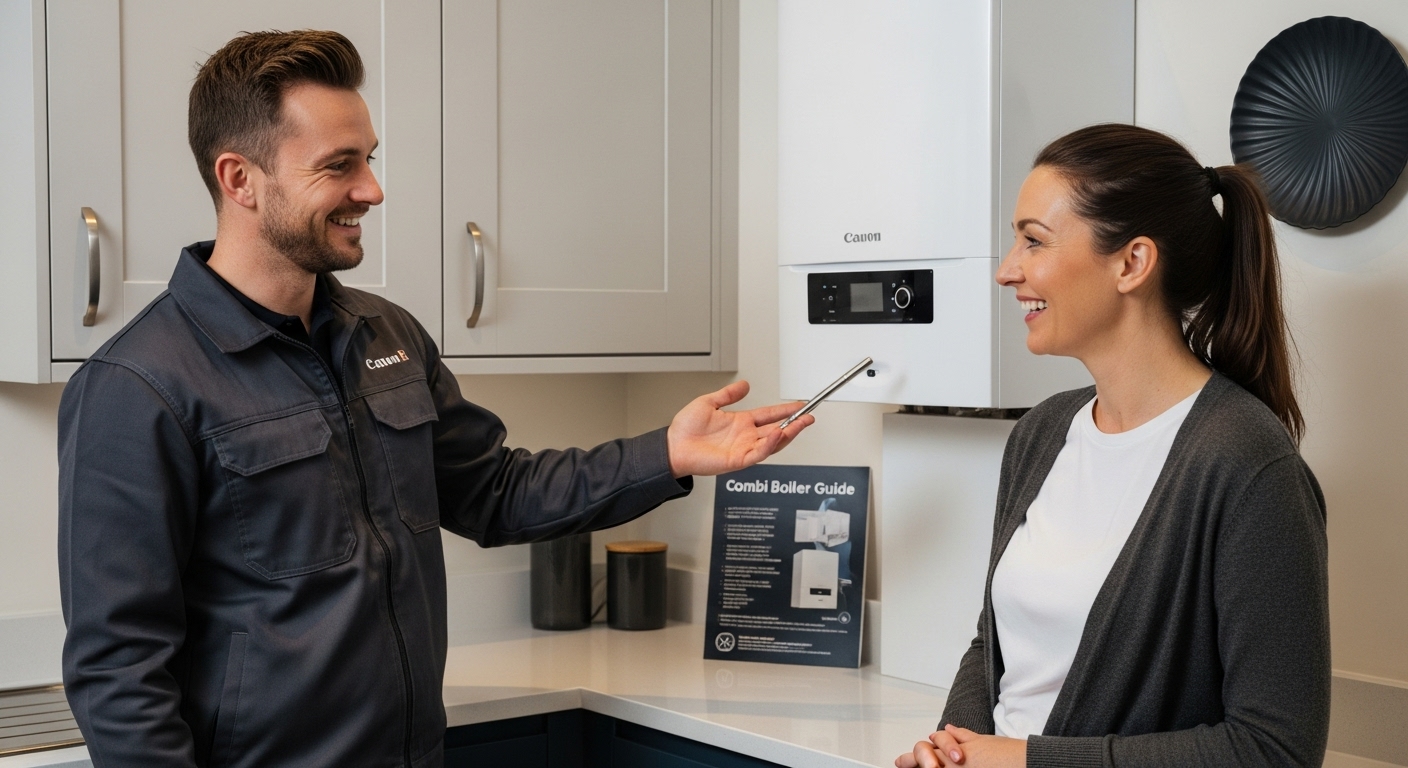
Understanding What is a Combi Boiler: A Complete Guide
Combi boilers are changing homes across the UK with their compact design and instant hot water. You might think all boilers do roughly the same job but that is not what the numbers show. The real surprise is that modern combi boilers can reach up to 92 percent energy efficiency and have now become the leading choice for British households so there is much more going on under the surface than a quick hot shower.
Table of Contents
- What Is A Combi Boiler And How Does It Function?
- The Importance Of Combi Boilers For Homes And Businesses
- Key Components Of A Combi Boiler System Explained
- Benefits Of Using A Combi Boiler In Your Property
- Comparative Insights: Combi Boilers Vs Traditional Heating Systems
Quick Summary
| Takeaway | Explanation |
|---|---|
| Instant Hot Water on Demand | Combi boilers heat water quickly as needed, eliminating waiting for storage tank heating. |
| Space-Saving Design | These systems integrate heating and hot water functions, freeing up space by removing the need for separate tanks. |
| High Energy Efficiency | Achieving up to 92% efficiency, combi boilers reduce unnecessary energy consumption and associated costs. |
| Lower Maintenance and Installation Costs | Fewer components lead to simpler installations and reduced repair expenses over time. |
| Ideal for Various Settings | Combi boilers are versatile, suitable for both residential and commercial environments, making them highly adaptable. |
What is a Combi Boiler and How Does It Function?
A combination boiler, commonly known as a combi boiler, represents a revolutionary approach to home heating and hot water systems. Unlike traditional heating setups, a combi boiler integrates both central heating and water heating capabilities into a single, compact unit. According to government energy research, these boilers are now the dominant residential heating technology in the United Kingdom.
The Fundamental Design
Combi boilers operate on a direct principle: they heat water instantly when you need it, eliminating the requirement for a separate hot water cylinder or storage tank. When you turn on a hot water tap, cold water travels through the boiler’s heat exchanger, where it is rapidly heated by the gas burner. This means you receive hot water on demand, without waiting for a tank to warm up or worrying about running out of hot water.
Key Operational Characteristics
The efficiency of a combi boiler stems from its ingenious design. Unlike traditional systems that continuously heat and store water, these boilers only activate when hot water or heating is required. This approach offers several significant advantages:
- Instant Hot Water: Provides hot water immediately without storage delays
- Space Saving: Eliminates the need for bulky water tanks or cylinders
- Energy Efficiency: Reduces energy consumption by heating water only when needed
Research from the Centre for Research into Energy Demand Solutions indicates that while combi boilers are prevalent, their real-world performance can vary. Factors such as boiler sizing and installation quality significantly impact overall efficiency. Homeowners should ensure professional installation and appropriate sizing to maximise the benefits of their combi boiler system.
The Importance of Combi Boilers for Homes and Businesses
Combi boilers have transformed residential and commercial heating solutions, offering unprecedented efficiency and practicality. New boiler installations have increasingly shifted towards these versatile systems due to their remarkable benefits for both homeowners and businesses across the United Kingdom.
Economic and Space Efficiency
One of the most significant advantages of combi boilers is their exceptional space-saving design. Traditional heating systems require separate hot water cylinders and storage tanks, consuming valuable property space. Combi boilers eliminate this requirement by integrating heating and hot water functions into a single, compact unit. For urban properties with limited square footage, this represents a substantial benefit. According to Energy Saving Trust, modern combi boilers can achieve up to 92% energy efficiency, translating to considerable cost savings on utility bills.
Versatility Across Different Settings
The adaptability of combi boilers extends beyond residential applications. Small businesses, offices, and commercial spaces benefit significantly from their streamlined design and instant hot water capabilities. Key advantages include:
- Rapid Installation: Simpler setup compared to traditional multi-component systems
- Lower Maintenance Costs: Fewer components mean reduced repair and replacement expenses
- Consistent Performance: Reliable hot water supply without storage tank limitations
Businesses and homeowners alike appreciate the predictable performance and reduced complexity of combi boiler systems. Their ability to provide immediate hot water without waiting periods makes them an attractive solution for diverse heating requirements. The compact design also supports easier retrofitting in existing properties, making them an ideal choice for property renovations and modern construction projects.
Key Components of a Combi Boiler System Explained
Understanding the intricate components of a combi boiler system is crucial for homeowners and businesses seeking efficient heating solutions. Each part plays a vital role in delivering reliable hot water and maintaining optimal temperature control. For comprehensive insights into system upgrades, solar thermal systems can complement these heating technologies.
Primary Mechanical Components
At the heart of a combi boiler system are several essential mechanical elements that work seamlessly together. The primary heat exchanger acts as the core mechanism, transferring thermal energy from the gas burner to the water. When hot water is required, cold water enters through the heat exchanger, where it is rapidly heated before being distributed to taps or radiators.
According to City of York Council’s heating guidance, this process occurs instantaneously, eliminating the need for separate water storage.
Control and Regulation Mechanisms
The efficiency of a combi boiler relies heavily on its sophisticated control systems. Modern units incorporate advanced electronic controls that precisely manage temperature and energy consumption. Key regulatory components include:
- Programmable Thermostat: Enables precise temperature setting and scheduling
- Flow Sensors: Monitor water flow and temperature in real time
- Pressure Gauge: Indicates system pressure and potential maintenance requirements
- Electronic Control Board: Coordinates all system functions and safety protocols
These intelligent control mechanisms ensure optimal performance, energy efficiency, and consistent heating output across various environmental conditions. By continuously monitoring and adjusting system parameters, combi boilers maintain superior operational reliability while minimizing energy waste.
Benefits of Using a Combi Boiler in Your Property
Combi boilers represent a significant advancement in residential heating technology, offering numerous advantages for homeowners seeking efficient and practical heating solutions. Stay informed about the latest developments by checking our latest heating news, which provides ongoing insights into innovative heating technologies.
Energy Efficiency and Cost Savings
One of the most compelling benefits of combi boilers is their exceptional energy efficiency. According to Energy Saving Trust, these systems eliminate the energy losses associated with traditional hot water storage systems. By heating water directly and instantaneously, combi boilers reduce unnecessary energy consumption, translating into significant cost savings on utility bills. The on demand heating mechanism means you only heat the water you actually need, avoiding the substantial energy waste of maintaining a hot water cylinder.
Space and Installation Advantages
For properties with limited space, combi boilers offer an unparalleled solution.
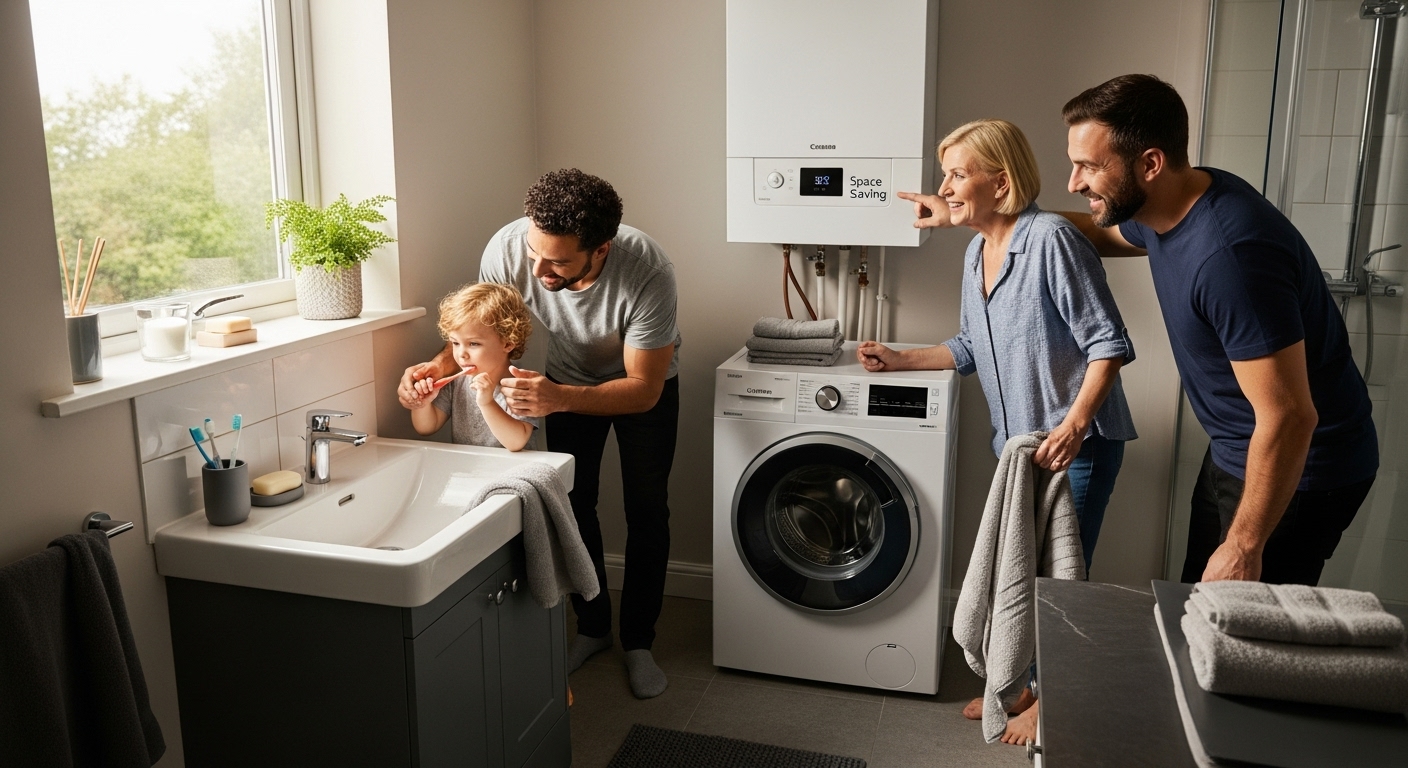 Traditional heating systems require multiple components including separate hot water cylinders and storage tanks, consuming valuable living or storage areas. Combi boilers integrate all necessary heating functions into a single, compact unit. This design is particularly beneficial for:
- Smaller Homes: Maximizing available space in apartments and compact properties
- Modern Renovations: Simplifying heating system upgrades
- Urban Living: Ideal for properties with restricted square footage
The streamlined design not only saves physical space but also simplifies installation and maintenance processes. Fewer components mean reduced complexity, lower installation costs, and less potential for system failures. Homeowners can enjoy a more efficient, reliable heating solution without sacrificing performance or comfort.
Comparative Insights: Combi Boilers vs Traditional Heating Systems
Heating technology has evolved significantly, with combi boilers representing a revolutionary approach compared to traditional heating systems. For the latest updates on heating innovations, explore our heating news updates to stay informed about emerging technologies.
Design and Operational Differences
Traditional heating systems typically comprise multiple components: a boiler, a separate hot water cylinder, and cold water storage tank. In contrast, combi boilers integrate heating and hot water functions into a single, compact unit. According to government energy research, this fundamental design difference significantly impacts overall system efficiency.
Performance and Efficiency Comparison
The performance disparity between combi boilers and traditional systems is substantial. Traditional setups require continuous water heating and maintenance of a hot water cylinder, leading to considerable energy wastage. Combi boilers eliminate this inefficiency by heating water instantaneously and only when required. Key comparative aspects include:
- Energy Consumption: Combi boilers reduce energy waste by heating water on demand
- Installation Complexity: Traditional systems require multiple components, while combi boilers are more streamlined
- Space Requirements: Combi boilers eliminate the need for separate water tanks and cylinders
The technological advancement of combi boilers represents a significant leap in residential heating efficiency.
Below is a table comparing combi boilers and traditional heating systems, helping you quickly assess the core differences and advantages discussed in this guide.
| Aspect | Combi Boiler | Traditional Heating System |
|---|---|---|
| System Components | Single compact unit for heating and hot water | Requires separate boiler, hot water cylinder, and tank |
| Hot Water Delivery | Instant, on-demand heating | Dependent on pre-heated storage, may require waiting |
| Space Requirements | Minimal—ideal for small or urban properties | Requires significant space for multiple components |
| Energy Efficiency | Up to 92% efficiency, only operates as needed | Lower efficiency, continuous heating/storage costs |
| Installation Complexity | Simpler, fewer parts to fit and maintain | More complex, more parts to fit/maintain |
| Maintenance Costs | Generally lower due to fewer components | Might be higher due to complexity |
| Usage Versatility | Suitable for homes and small businesses | More suited to properties with large hot water demands |
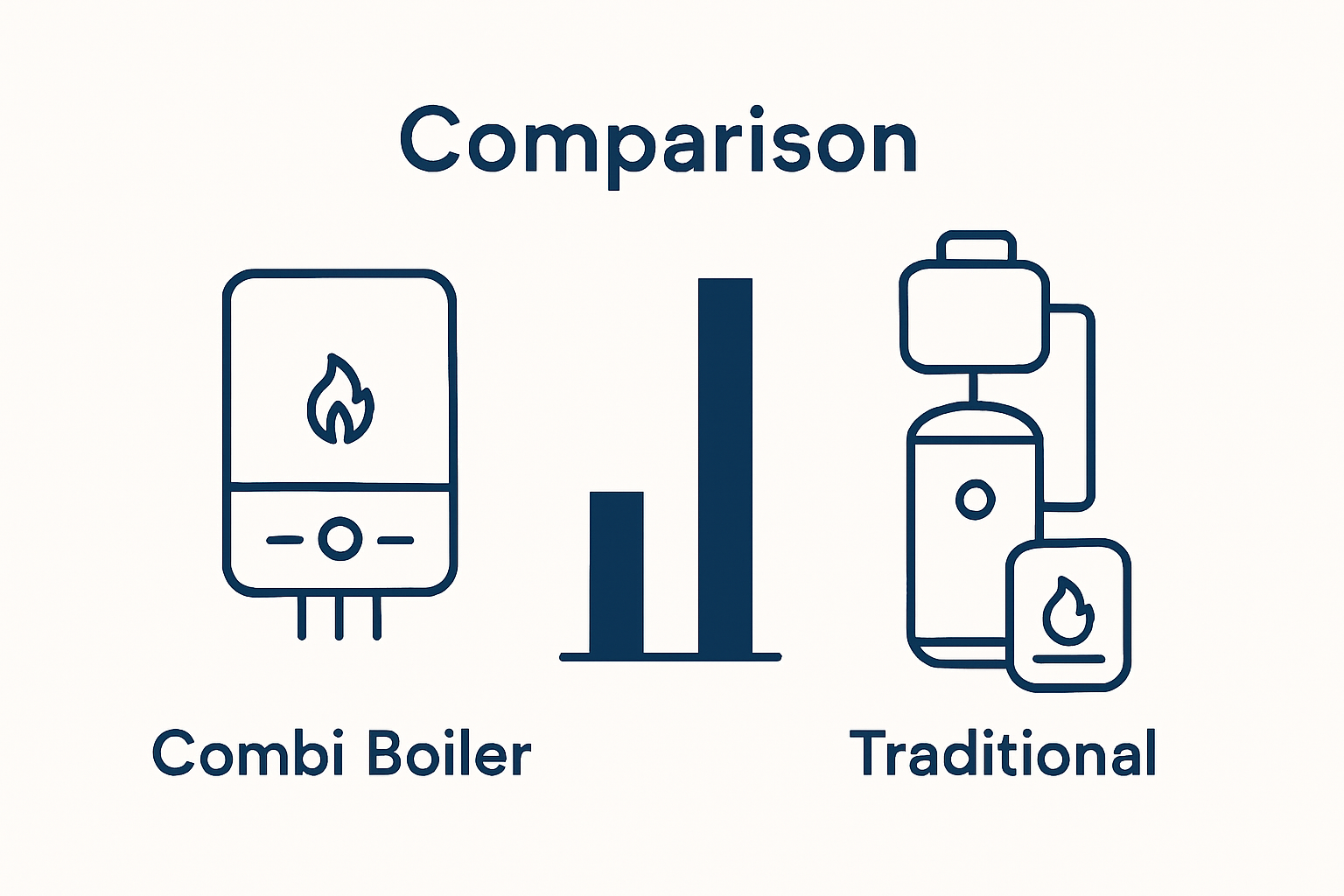 By providing precise, instantaneous heating with minimal energy loss, these systems offer a more sustainable and cost effective solution for modern properties.
Ready for Hassle-Free Heating and Hot Water?
Tired of bulky tanks, energy waste, and running out of hot water when you most need it? The article explained how a modern combi boiler gives you instant hot water, saves precious space, and reduces energy costs by only heating water on demand. If you are seeking a reliable upgrade or want to enjoy true energy efficiency in your Edinburgh or Midlothian home, you need an expertly installed combi system. At Thermatek Heating, our Gas Safe Registered engineers specialise in professional boiler replacements, repairs, and servicing, ensuring your combi boiler works safely and efficiently from day one.
Experience the comforts described in this guide for yourself. Explore Thermatek Heating today and request a free quote or arrange your expert installation. Spaces are filling quickly as more homeowners choose smarter heating. Act now so you never worry about cold showers or wasted energy again.
Frequently Asked Questions
What is a combi boiler?
A combi boiler, or combination boiler, is a compact heating system that provides both central heating and instantaneous hot water without the need for separate storage tanks. It heats water directly as needed, ensuring hot water is available on demand.
How does a combi boiler work?
A combi boiler heats cold water directly through a heat exchanger when a hot water tap is turned on. The gas burner heats the water immediately, providing instant hot water without the need to wait for a storage tank to warm up.
What are the benefits of using a combi boiler?
Combi boilers offer several advantages, including energy efficiency, space-saving designs, and the elimination of unnecessary heating costs. They heat water on demand, reducing energy consumption and providing a reliable source of hot water without storage limitations.
How does a combi boiler compare to traditional heating systems?
Unlike traditional systems that require separate hot water cylinders and continuous energy consumption to maintain stored water temperatures, combi boilers are more efficient. They heat water instantly and only when needed, leading to lower energy bills and a simpler installation process.
Recommended
- New Boiler Installation & Replacement In Edinburgh - Thermatek Heating
- News - Thermatek Heating
- Solar Thermal Installers In Edinburgh - Thermatek Heating
- Annual Boiler Servicing In Edinburgh - Thermatek Heating
Understanding Boiler Installation Regulations Clearly
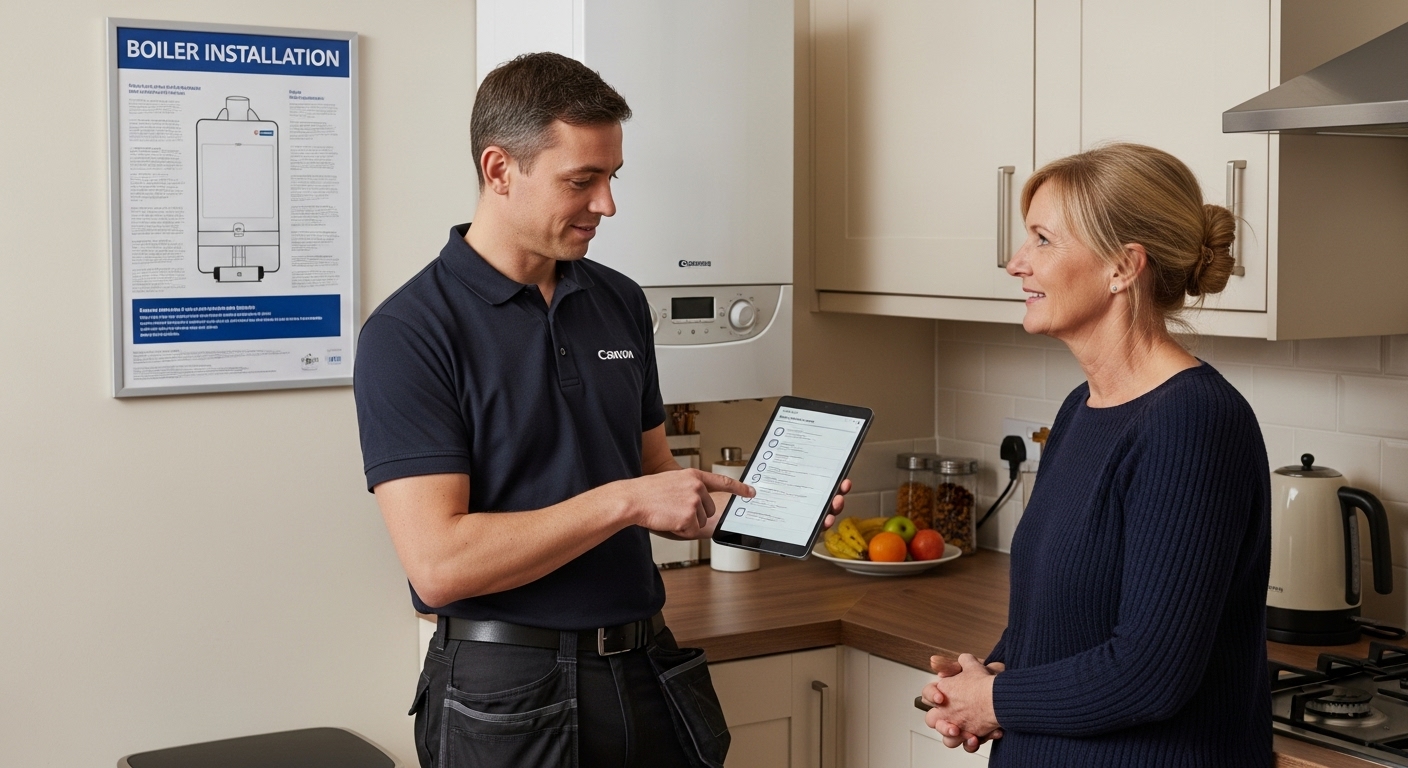
Boiler installation rules are not just another set of building requirements. Across the UK, every new boiler must meet strict regulations that cover safety, efficiency, and environmental impact, with minimum annual energy efficiency standards now required by law. Most assume these rules are simply legal headaches to get past. The truth is, these regulations are the hidden reason modern homes are safer, cleaner, and even cheaper to run than many expect.
Table of Contents
- What Are Boiler Installation Regulations?
- Why Boiler Installation Regulations Matter For Safety
- Key Concepts In Boiler Installation Compliance
- Understanding The Impact Of Regulations On Efficiency
- Real-World Implications Of Boiler Installation Standards
Quick Summary
| Takeaway | Explanation |
|---|---|
| Understand safety standards | Familiarise yourself with critical safety protocols for boiler installations to prevent hazards. |
| Prioritise professional installation | Engage certified professionals to ensure compliance with regulations and safety standards. |
| Maintain energy efficiency | Choose boilers with high energy ratings to save costs and reduce carbon emissions. |
| Keep documentation accurate | Ensure all installation and maintenance records are properly documented for compliance and future reference. |
| Regular maintenance is essential | Schedule annual servicing to maintain performance, safety, and efficiency of your heating system. |
What are Boiler Installation Regulations?
Boiler installation regulations represent a comprehensive framework of legal requirements and technical standards designed to ensure heating systems are installed safely, efficiently, and in compliance with national building and environmental guidelines. These regulations are not merely bureaucratic procedures but critical safeguards protecting homeowners, tenants, and the broader community from potential risks associated with improper heating system installations.
Safety and Technical Standards
At their core, boiler installation regulations establish precise technical criteria that govern how heating systems must be designed, installed, and maintained. Comprehensive safety guidelines mandate specific requirements covering multiple dimensions of installation:
- Structural integrity of installation location
- Proper ventilation and combustion air supply
- Electrical connection standards
- Flue and exhaust system specifications
- Carbon monoxide and gas leak prevention measures
These standards ensure that every boiler installation meets stringent safety protocols, minimizing risks of carbon monoxide poisoning, fire hazards, and potential structural damage. Professional heating engineers must demonstrate comprehensive understanding of these regulations to obtain necessary certifications and legal permissions.
Legal and Environmental Compliance
Boiler installation regulations extend beyond immediate safety considerations, incorporating broader environmental and energy efficiency objectives. Government environmental regulations require installations to meet specific efficiency ratings and emissions standards, compelling manufacturers and installers to develop increasingly sophisticated, low-carbon heating solutions.
Key environmental compliance aspects include:
- Minimum energy efficiency performance metrics
- Emissions control standards
- Sustainable material and component requirements
- Waste reduction and recycling protocols for old heating systems
These regulations not only protect individual households but also contribute to national carbon reduction strategies. By mandating high-performance, environmentally conscious heating installations, the UK progressively transitions towards more sustainable energy infrastructure.
For homeowners in Edinburgh and Midlothian, understanding these regulations means recognizing the importance of working with certified boiler replacement professionals who comprehend and strictly adhere to these comprehensive technical and legal frameworks.
Why Boiler Installation Regulations Matter for Safety
Boiler installation safety transcends mere technical compliance, representing a critical intersection between engineering precision and human protection. The potential risks associated with improperly installed heating systems are substantial, ranging from immediate physical dangers to long-term health hazards that can silently compromise household wellbeing.
Preventing Catastrophic Risks
Research from the Health and Safety Executive highlights the profound dangers of substandard boiler installations. Faulty heating systems can create life-threatening scenarios including:
- Carbon monoxide poisoning
- Potential gas explosions
- Structural fire risks
- Electrical system overloads
- Toxic gas emissions
These risks are not hypothetical theoretical concerns but documented, recurring safety challenges that demand rigorous professional intervention.
Professional heating engineers undergo extensive training to understand and mitigate these complex potential hazards, ensuring installations meet stringent safety benchmarks.
Health and Environmental Protection
Boiler installation regulations serve a broader protective function beyond immediate physical safety. Improperly installed heating systems can generate significant environmental and health risks through inefficient combustion, inappropriate ventilation, and uncontrolled emissions.
Key health protection aspects include:
- Preventing toxic gas accumulation
- Ensuring proper air circulation
- Minimizing indoor air quality degradation
- Reducing potential respiratory health risks
- Controlling humidity and condensation levels
Professional annual boiler servicing becomes crucial in maintaining these safety standards, providing continuous monitoring and preventative maintenance that extends far beyond initial installation protocols.
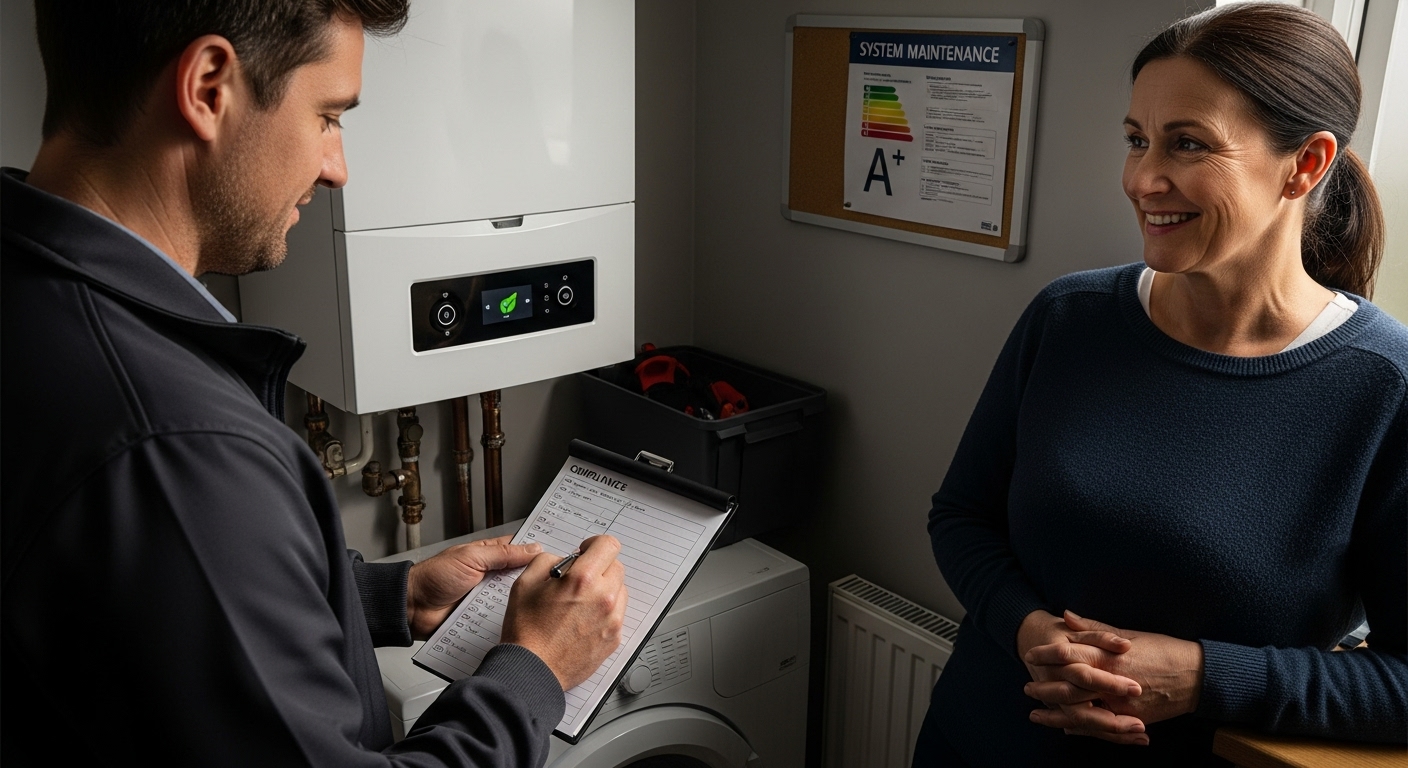
Ultimately, boiler installation regulations represent a sophisticated safety ecosystem designed to protect residents through comprehensive technical standards, professional expertise, and ongoing system management. For homeowners, understanding these regulations means recognizing that safety is not an optional extra but an essential component of responsible home infrastructure management.
Key Concepts in Boiler Installation Compliance
Boiler installation compliance represents a sophisticated framework of technical, legal, and professional standards that ensure heating systems are installed safely, efficiently, and in alignment with national regulatory requirements. Understanding these key concepts is crucial for homeowners, landlords, and heating professionals to navigate the complex landscape of boiler installation regulations.
Professional Certification and Registration
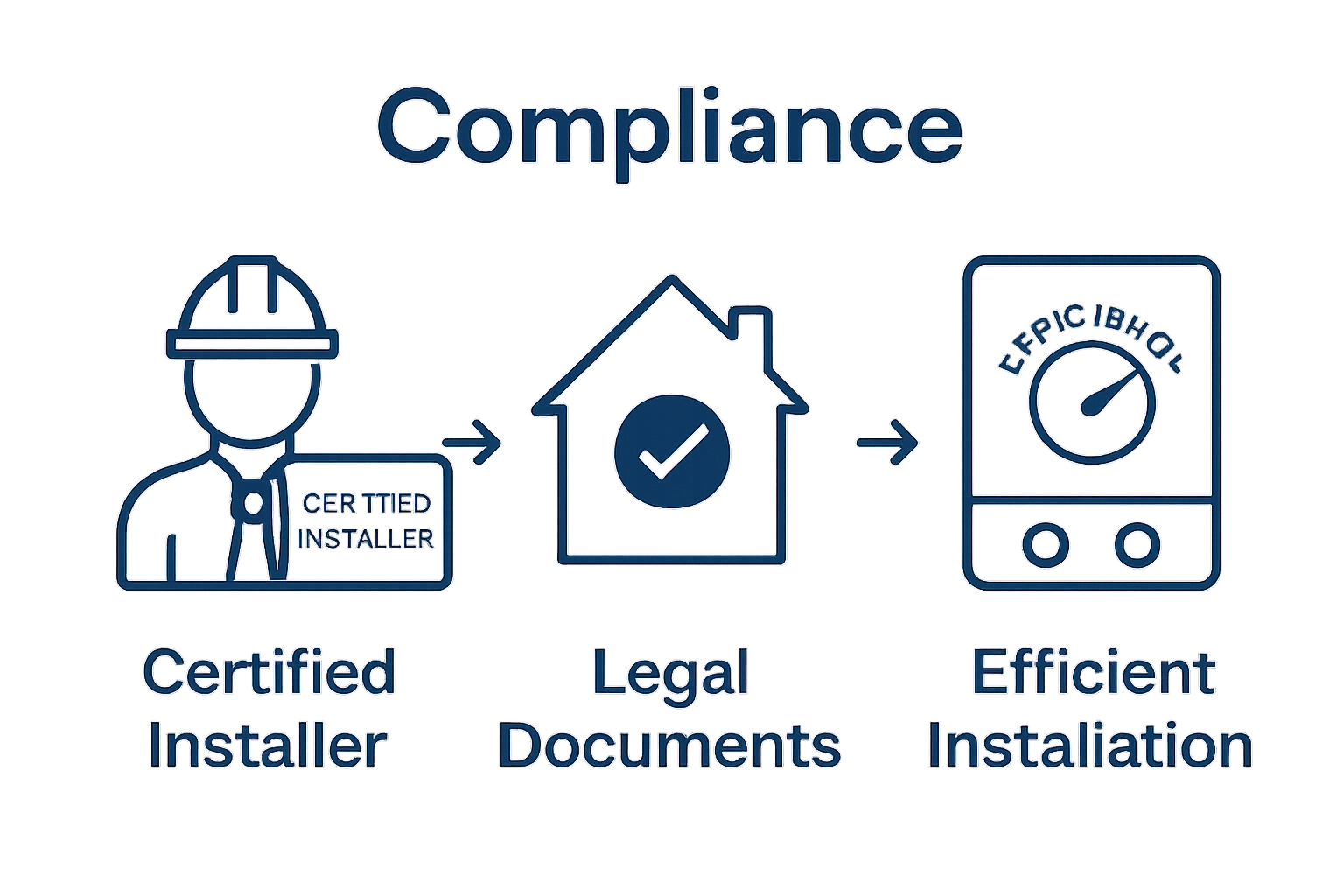
Competent person schemes form the cornerstone of boiler installation compliance in the UK. These government-authorized programs establish rigorous criteria for professional heating engineers, ensuring they possess the necessary technical expertise and legal authorization to perform installations.
Critical aspects of professional certification include:
- Mandatory technical competence assessments
- Regular skills and knowledge recertification
- Comprehensive background and safety checks
- Continuous professional development requirements
- Legal authorization to self certify installation work
These certification schemes protect consumers by guaranteeing that only highly qualified professionals can perform complex heating system installations, significantly reducing potential safety risks and installation errors.
Legal and Technical Documentation
Boiler installation compliance extends far beyond the physical installation process, encompassing a comprehensive documentation framework that tracks and verifies every aspect of the heating system implementation. Building regulations approval mandates specific documentation requirements that serve as critical evidence of proper installation and ongoing maintenance.
Key documentation components include:
- Detailed installation technical specifications
- Manufacturer equipment certification
- Performance and efficiency ratings
- Safety inspection reports
- Compliance verification certificates
These documents not only demonstrate regulatory adherence but also provide homeowners with crucial records for insurance, property valuation, and potential future system modifications.
The latest industry updates continue to refine these compliance mechanisms, reflecting the dynamic nature of heating technology and safety standards. For homeowners in Edinburgh and Midlothian, understanding these key compliance concepts means making informed decisions that prioritize safety, efficiency, and long term heating system reliability.
To clarify key aspects of boiler installation compliance, here is an overview table organising core elements and their explanations.
| Compliance Element | Explanation |
|---|---|
| Professional Certification | Verified qualification and legal authorisation of installers, ensuring safe and lawful installation practices. |
| Competent Person Schemes | Government-authorised programmes requiring technical assessment and continual professional development. |
| Technical Documentation | Detailed records of installation specifications, equipment certifications, and safety inspections. |
| Compliance Certificates | Official proof that the installation meets all legal and technical standards required by UK regulations. |
| Performance and Efficiency Ratings | Manufacturer-provided metrics demonstrating the boiler’s energy efficiency and emissions standards. |
| Ongoing Maintenance Records | Documentation of annual servicing and safety checks for continued regulatory compliance and insurance. |
Understanding the Impact of Regulations on Efficiency
Boiler installation regulations play a pivotal role in driving technological innovation and energy efficiency across domestic heating systems. These regulations represent more than bureaucratic requirements, serving as strategic mechanisms to reduce carbon emissions, lower household energy consumption, and promote sustainable heating technologies.
Performance and Energy Efficiency Standards
Government consultations on product standards have established increasingly stringent efficiency benchmarks for heating systems. These standards compel manufacturers to develop boilers with significantly improved energy conversion rates and reduced environmental impact.
Key efficiency performance metrics include:
- Minimum annual energy efficiency percentages
- Maximum permitted carbon emission levels
- Heat output to energy consumption ratios
- Standby power consumption thresholds
- Advanced thermal insulation requirements
By mandating these comprehensive standards, regulators effectively push technological boundaries, encouraging manufacturers to invest in research and development of more sophisticated heating solutions.
Environmental and Economic Implications
Regulatory frameworks extend beyond immediate technical specifications, addressing broader environmental and economic objectives. Energy efficiency policies aim to systematically reduce domestic energy consumption, lower household expenses, and contribute to national carbon reduction strategies.
Significant regulatory impact areas encompass:
- Reducing household energy expenditure
- Minimizing carbon footprint
- Promoting renewable heating technologies
- Supporting national energy security objectives
- Encouraging sustainable technological innovation
These regulations create a structured pathway towards more environmentally responsible heating infrastructure, balancing technological advancement with ecological preservation.
Ongoing industry updates continue to refine these efficiency standards, reflecting the dynamic relationship between technological innovation, regulatory frameworks, and environmental sustainability. For homeowners in Edinburgh and Midlothian, understanding these efficiency regulations means making informed choices that benefit both personal economics and broader environmental objectives.
Real-World Implications of Boiler Installation Standards
Boiler installation standards transform theoretical regulatory requirements into tangible, practical outcomes that directly impact homeowners, heating professionals, and the broader energy infrastructure. These standards represent a sophisticated mechanism for driving technological innovation, ensuring safety, and promoting environmental sustainability through strategic implementation.
Consumer and Economic Impact
Boiler Plus policy reviews reveal profound economic implications for both consumers and the heating industry. These regulations create a complex ecosystem where technological advancement, cost considerations, and environmental objectives intersect, fundamentally reshaping how heating systems are designed, installed, and maintained.
Key consumer and economic considerations include:
- Potential increase in initial installation costs
- Long term energy bill reductions
- Enhanced property valuation
- Improved system reliability
- Reduced carbon footprint
Homeowners increasingly recognize that higher upfront investments in compliant heating systems translate into substantial long term financial and environmental benefits, driving market transformation through informed consumer choices.
Technological and Industry Adaptation
Improving boiler standards consultation demonstrates how regulatory frameworks compel manufacturers and installers to continuously innovate and adapt. These standards are not static bureaucratic constraints but dynamic mechanisms that push technological boundaries and prepare the heating industry for future challenges.
Critical industry adaptation areas encompass:
- Development of more efficient heating technologies
- Investment in research and development
- Training and upskilling professional installers
- Creating hydrogen compatible heating solutions
- Designing systems with enhanced smart technology integration
These adaptations represent a proactive approach to addressing climate change and energy efficiency challenges, positioning the heating industry at the forefront of sustainable technological evolution.
For greater clarity, the following table compares the main consumer and industry impacts of modern boiler installation standards in real-world contexts.
| Impact Area | Consumer Perspective | Industry Perspective |
|---|---|---|
| Initial Installation Costs | Higher upfront investments may be required | Increased costs for compliance and upskilling |
| Long-Term Savings | Reduced energy bills and improved property value | Opportunities for offering advanced, efficient systems |
| System Reliability | Greater confidence in reliable, safe heating | Focus on product innovation and reliability |
| Environmental Benefits | Lower household carbon footprint | Shift towards low-carbon, renewable-ready technologies |
| Professional Training | Assurance of qualified professionals handling installations | Mandatory upskilling and adherence to new standards |
| Technological Adaptation | Access to smart and efficient systems | Continuous R&D to meet tighter regulatory requirements |
News updates from industry experts continue to highlight the ongoing transformation driven by these installation standards. For homeowners in Edinburgh and Midlothian, understanding these real world implications means making strategic decisions that balance immediate practical needs with long term environmental and economic considerations.
Ready to Make Your Boiler Installation Fully Compliant and Safe?
Worried about meeting strict boiler installation regulations or feeling unsure how to ensure your home’s safety and energy efficiency? This article makes it clear that the risks from improper installation are more than technical—they can put your property and health in real danger. Don’t let confusion or outdated systems leave your home exposed. Rely on trusted Gas Safe Registered engineers who understand every detail of legal and safety requirements, right here at Thermatek Heating.
Take action today for peace of mind and lasting performance. Whether you need a replacement boiler, expert annual servicing, or want to explore the most efficient renewable solutions, our professionals guarantee your heating system is safe, efficient, and legally compliant. Visit https://thermatekheating.co.uk now to request your free quote and secure a safer, smarter home.
Frequently Asked Questions
What are boiler installation regulations?
Boiler installation regulations are legal requirements and technical standards that ensure heating systems are installed safely and efficiently. They cover aspects such as safety, energy efficiency, and compliance with environmental guidelines.
Why are safety standards important in boiler installations?
Safety standards are crucial as they minimise the risks of carbon monoxide poisoning, gas explosions, and other hazards associated with improperly installed heating systems. They ensure that installations are carried out by qualified professionals following rigorous safety protocols.
How do boiler installation regulations impact energy efficiency?
Boiler installation regulations set minimum energy efficiency performance metrics that manufacturers must meet, prompting the development of advanced heating technologies. This ultimately leads to reduced energy consumption and lower carbon emissions.
What documentation is required for boiler installation compliance?
Documents required for compliance typically include detailed installation specifications, equipment certifications, safety inspection reports, and compliance verification certificates. These serve as evidence of proper installation and maintenance.
Recommended
- New Boiler Installation & Replacement In Edinburgh - Thermatek Heating
- News - Thermatek Heating
- Annual Boiler Servicing In Edinburgh - Thermatek Heating
- Landlord Gas Safety Certificates In Edinburgh - Thermatek Heating

7 Essential Plumbing Maintenance Tips for Homeowners
Plumbing problems can strike without warning and end up costing homeowners a fortune. Incredibly, nearly half of UK residents do not know where their main water shut-off valve is located. Many expect major leaks to be obvious or predictable, yet the real danger often comes from hidden issues that quietly cause thousands of pounds in damage. With just a few smart habits, you can outsmart unexpected disasters and keep your home safe for years to come.
Table of Contents
- Inspect Your Plumbing Regularly
- Know Your Main Water Shut-off Valve
- Check For Leaks In Fixtures And Pipes
- Clean Out Your Drains Monthly
- Maintain Your Water Heater
- Insulate Pipes In Cold Areas
- Schedule Professional Inspections Annually
Quick Summary
| Takeaway | Explanation |
|---|---|
| Inspect plumbing regularly | Regular inspections can identify issues before they escalate, saving costs on repairs and ensuring safe water quality. |
| Know your main shut-off valve | Locating this valve allows for quick action in emergencies, preventing serious water damage and costly repairs. |
| Check for leaks frequently | Regular checks for leaks in pipes and fixtures can prevent extensive damage and reduce water bills. |
| Clean drains on a monthly basis | Monthly maintenance reduces the risk of blockages and keeps plumbing systems flowing efficiently, avoiding major repairs. |
| Schedule annual professional inspections | Professional evaluations can catch problems early, leading to preventative strategies and avoiding costly emergencies. |
1: Inspect Your Plumbing Regularly
Regular plumbing inspections represent a critical preventive strategy for homeowners seeking to maintain their property’s infrastructure and avoid costly repairs. By systematically examining your home’s plumbing system, you can identify potential issues before they escalate into significant problems that might require extensive and expensive interventions.
Proactive plumbing maintenance involves a comprehensive approach to monitoring your entire water delivery and waste management system. Homeowners should develop a routine inspection schedule that allows them to thoroughly assess various components of their plumbing network. According to the Drinking Water Inspectorate, it is crucial to ensure all plumbing work complies with the Water Supply (Water Fittings) Regulations 1999 to maintain safe drinking water quality.
Key areas to focus on during your regular plumbing inspections include:
Visible Pipe Conditions: Check for signs of corrosion, leaks, or moisture accumulation around pipe joints and connections.
Water Pressure: Monitor water pressure variations that might indicate underlying pipe damage or blockage.
Drainage Performance: Observe how quickly water drains from sinks, showers, and toilets to detect potential blockages.
Additionally, pay close attention to water quality and appearance. UK government guidelines recommend that tap water should be clear and free from unusual smells. Any deviations from these standards could signal more profound plumbing system issues that require professional assessment.
While some homeowners might feel confident conducting basic inspections, engaging a professional plumber annually provides a more thorough examination. Professional plumbers possess specialized equipment and expertise to detect subtle problems that might escape an untrained eye, helping prevent potential water damage, mould growth, and structural complications.
Remember that consistent monitoring and timely intervention can save significant money and stress in the long term. By dedicating time to regular plumbing inspections, you protect not just your property’s infrastructure but also ensure the health and safety of your household’s water supply.
2: Know Your Main Water Shut-off Valve
Understanding the location and functionality of your main water shut-off valve is a crucial aspect of responsible homeownership. This critical component allows you to quickly stop water flow throughout your entire property during emergencies, preventing potential catastrophic water damage and costly repairs.
According to WaterSafe, nearly half of UK residents are unaware of their stop tap’s location, which represents a significant risk during plumbing emergencies. Knowing precisely where your main water shut-off valve is located can make the difference between minor inconvenience and major property destruction.
Typically, the main water shut-off valve can be found in several common locations:
Ground Floor: Often near the front of the house, potentially in a utility room or under the kitchen sink
Basement: Usually located where the main water line enters the property
External Areas: Some properties have an external valve near the property boundary or street level
When identifying your shut-off valve, look for a lever or round wheel-like mechanism. For wheel-style valves, turning the valve clockwise will typically stop the water flow. Practice turning the valve occasionally to ensure it remains functional and isn’t seized due to lack of use.
In emergency scenarios such as burst pipes, major leaks, or planned plumbing repairs, knowing how to quickly shut off your main water supply can prevent extensive water damage. Family members should be educated about the valve’s location and how to operate it, ensuring everyone can respond effectively during unexpected situations.
Professional plumbers recommend creating a clear, visible marker or diagram indicating the exact location of your main water shut-off valve. This simple step can save critical minutes during high-stress emergency situations, potentially preventing thousands of pounds in potential water damage to your property.
Remember, familiarity with your home’s plumbing infrastructure is not just about maintenance it is about being prepared and protecting your most significant investment your home.
3: Check for Leaks in Fixtures and Pipes
Undetected water leaks represent a significant threat to both your property’s structural integrity and your household budget. Small leaks can quickly escalate into major problems, causing extensive damage and resulting in substantial repair costs if left unaddressed.
According to Ofwat, identifying and addressing leaks is crucial for water conservation and preventing unnecessary financial expenditure. Homeowners should develop a systematic approach to leak detection that encompasses both visible and hidden plumbing components.
Key areas to inspect for potential leaks include:
Visible Pipe Connections: Check joints, valves, and connection points for moisture or corrosion signs
Under-sink Areas: Examine cabinet spaces beneath sinks for water stains, musty odours, or dampness
Toilet Base: Look for water pooling or discolouration around the toilet foundation
Early leak detection involves more than visual inspection. Homeowners can perform a simple water meter test to identify hidden leaks. Turn off all water sources in the home and observe the water meter. If the meter continues to register water movement, this might indicate an underground or concealed leak requiring professional investigation.
Some warning signs of potential plumbing leaks include unexplained increases in water bills, persistent damp patches on walls or ceilings, musty odours, and reduced water pressure. These indicators suggest water is escaping somewhere within your plumbing system and demands immediate attention.
While some minor leaks can be addressed through DIY methods, complex or hidden leaks require professional expertise. Professional plumbers possess specialized equipment like thermal imaging cameras and moisture detectors that can pinpoint exact leak locations without invasive exploratory work.
Regular leak checks not only prevent structural damage but also contribute to water conservation efforts. By maintaining a vigilant approach to plumbing maintenance, homeowners can protect their property, reduce unnecessary water wastage, and avoid potentially expensive repair work in the future.
4: Clean Out Your Drains Monthly
Regular drain maintenance is a critical aspect of home plumbing care that prevents costly blockages and potential water damage. Monthly drain cleaning helps maintain smooth water flow, reduce unpleasant odours, and extend the lifespan of your home’s plumbing infrastructure.
According to UK government guidance, regular drain maintenance is essential to preventing localised flooding and minimizing potential infrastructure issues. Homeowners should adopt a proactive approach to drain care that goes beyond simple reactive measures.
Key practices for effective drain maintenance include:
Hot Water Flushing: Run hot water through kitchen and bathroom drains weekly to help dissolve potential buildups
Natural Cleaning Solutions: Use mixtures of baking soda and vinegar to break down minor blockages without harsh chemicals
Strainer Usage: Install drain strainers to catch hair, food particles, and debris before they enter your plumbing system
Common substances that contribute to drain blockages include cooking grease, food waste, hair, soap residue, and mineral deposits. These materials can accumulate over time, creating stubborn clogs that require professional intervention if left unchecked. By implementing a consistent cleaning routine, homeowners can significantly reduce the risk of significant plumbing disruptions.
Special attention should be given to different drain types. Kitchen sink drains often accumulate grease and food particles, while bathroom drains typically collect hair and soap scum. Bathroom sink and shower drains benefit from regular hair removal and occasional deep cleaning with enzymatic drain treatments.
For more challenging blockages, professional drain cleaning services offer specialized techniques like hydro jetting and camera inspections. These advanced methods can thoroughly clean pipes and identify potential structural issues before they become serious problems.
Remember that prevention is always more cost-effective than repair. A small investment of time in monthly drain maintenance can save substantial money and inconvenience by avoiding major plumbing emergencies. Consistent care ensures your home’s drainage system remains efficient, hygienic, and free-flowing.
5: Maintain Your Water Heater
Water heater maintenance is a critical aspect of home plumbing care that ensures consistent hot water supply, energy efficiency, and prevents unexpected system failures. Regular attention can significantly extend the lifespan of your water heating system and reduce potential costly repairs.
Our comprehensive guide on annual boiler servicing highlights the importance of professional maintenance. According to the Health and Safety Executive, water heaters must be maintained at specific temperatures to prevent bacterial growth and ensure safe operation.
Key maintenance practices for water heaters include:
Temperature Monitoring: Ensure water is stored at minimum 60°C to prevent Legionella bacteria growth
Annual Professional Inspection: Schedule comprehensive system checks to identify potential issues early
Pressure Relief Valve Testing: Verify the valve functions correctly to prevent potential system damage
Sediment buildup represents a significant challenge for water heaters. Mineral deposits can accumulate at the tank’s bottom, reducing heating efficiency and potentially causing long-term damage. Homeowners should consider draining and flushing the tank annually to remove these sediments and maintain optimal performance.
Electric and gas water heaters have distinct maintenance requirements. Electric models need periodic checks of heating elements and electrical connections, while gas water heaters require inspection of the burner, pilot light, and gas connections. Potential warning signs of water heater problems include inconsistent water temperature, unusual noises, discoloured water, or visible leaks.
Insulating your water heater and surrounding pipes can improve energy efficiency and prevent heat loss. This simple step can reduce energy consumption and lower utility bills. Additionally, checking the anode rod every few years can help prevent tank corrosion and extend the system’s overall lifespan.
Professional servicing remains the most effective way to ensure your water heater operates safely and efficiently. Experts can perform comprehensive diagnostics, identify potential issues before they become major problems, and provide tailored advice for your specific system.
6: Insulate Pipes in Cold Areas
Pipe insulation is a critical preventative measure that protects your home’s plumbing system from potential freezing damage, reduces heat loss, and improves overall energy efficiency. During cold Scottish winters, unprotected pipes are particularly vulnerable to temperature fluctuations that can lead to costly and disruptive pipe bursts.
Pipes located in unheated or exposed areas such as attics, basements, crawl spaces, and external walls require special attention. These vulnerable sections are most susceptible to freezing temperatures and demand comprehensive insulation strategies to prevent potential infrastructure damage.
Key considerations for effective pipe insulation include:
Pipe Material: Different materials require specific insulation approaches
Insulation Thickness: Ensure adequate coverage based on pipe diameter and location
Temperature Zones: Prioritize insulation in areas with most significant temperature variations
Foam pipe sleeves represent the most common and cost-effective insulation method. These flexible, lightweight materials create a protective barrier that helps maintain consistent pipe temperatures and prevents heat loss. Professional plumbers recommend selecting insulation with appropriate R-values that match your specific environmental conditions.
Beyond preventing freezing, proper pipe insulation offers additional benefits. Insulated hot water pipes reduce heat loss during water transportation, potentially lowering energy consumption and reducing utility costs. Cold water pipes benefit from insulation by preventing condensation and potential moisture-related issues like mould growth.
Homeowners should pay special attention to pipes near exterior walls, in unheated garages, and in other exposed locations. Simple DIY insulation techniques can be supplemented with professional assessment to ensure comprehensive protection. Some areas might require more advanced solutions like heat tape or specialized thermal wrapping.
While initial insulation installation involves some investment, the long-term benefits far outweigh the costs. Preventing a single pipe burst can save thousands in potential repair expenses, making pipe insulation a wise and proactive home maintenance strategy.
7: Schedule Professional Inspections Annually
Annual professional plumbing inspections represent a crucial preventative strategy that helps homeowners identify potential issues before they escalate into costly and disruptive problems. These comprehensive assessments go far beyond basic visual checks, providing in-depth analysis of your home’s entire plumbing infrastructure.
According to the Health and Safety Executive, professional inspections are essential for ensuring safety and regulatory compliance, particularly for gas appliances and associated systems. A trained professional can detect subtle issues that might remain unnoticed during routine homeowner maintenance.
Key aspects of a comprehensive professional plumbing inspection include:
Detailed System Assessment: Comprehensive evaluation of pipes, fixtures, and connections
Advanced Diagnostic Tools: Utilisation of thermal imaging and pressure testing equipment
Predictive Maintenance: Identification of potential future problems before they develop
Professional inspectors bring specialised knowledge and equipment that enable them to conduct thorough system evaluations. They can identify early signs of corrosion, potential leak points, water pressure irregularities, and structural weaknesses that could compromise your plumbing system’s integrity.
Beyond immediate problem detection, annual inspections offer significant long-term benefits. These assessments help homeowners understand their property’s specific plumbing characteristics, develop targeted maintenance strategies, and potentially avoid expensive emergency repairs. Professional documentation of inspections can also prove valuable for insurance purposes and future property valuations.
The scope of a professional plumbing inspection typically encompasses multiple critical areas. Experts will examine water heaters, check for potential pipe degradation, assess drainage systems, evaluate water pressure, and inspect potential hidden moisture damage. They can also provide tailored advice about your specific plumbing infrastructure, considering factors like property age, pipe materials, and local water conditions.
While the initial cost of a professional inspection might seem unnecessary, it represents a strategic investment in your property’s long-term maintenance. Catching and addressing minor issues early can save substantial money and prevent significant disruptions to your home’s functionality.
The table below provides a comprehensive summary of the seven essential plumbing maintenance tips for homeowners, highlighting the main actions, purposes, and benefits discussed throughout the article.
| Maintenance Tip | Main Action/Step | Purpose/Benefit |
|---|---|---|
| Inspect plumbing regularly | Examine pipes, water pressure, drainage, water quality | Early issue detection, cost savings, ensures safe water quality |
| Know your main water shut-off valve | Locate and test main shut-off; educate household | Enables quick emergency response, limits water damage, provides preparedness |
| Check for leaks in fixtures and pipes | Inspect joints, under-sink spaces, test with water meter | Prevents structural damage, reduces water bills, conserves water |
| Clean drains monthly | Flush with hot water, use baking soda/vinegar, install strainers | Minimises blockages, avoids costly repairs, improves drainage efficiency |
| Maintain your water heater | Monitor temperature, flush tank, test pressure relief, inspect annually | Ensures consistent hot water, promotes energy efficiency, prevents bacterial growth |
| Insulate pipes in cold areas | Apply foam sleeves or appropriate insulation in exposed zones | Prevents freezing and bursts, reduces heat loss, improves energy efficiency |
| Schedule annual professional inspections | Book annual plumber visit for full system assessment | Detects subtle problems, ensures compliance, avoids emergencies, provides expert maintenance advice |
Bring Expert Plumbing Care to Your Home Today
Worried about hidden leaks, failing water heaters, or the stress of winter pipe bursts? Regular maintenance, as explained in our article, is essential for safeguarding your property and avoiding costly repairs. However, not every issue is easy to find or simple to fix on your own. You deserve peace of mind knowing your plumbing and heating systems are checked by trusted professionals who understand the unique needs of homes across Edinburgh and Midlothian.
Book your professional plumbing inspection or maintenance visit now with our team of Gas Safe Registered engineers. We offer detailed system checks, repairs, and tailored solutions to protect against leaks, inefficiency, and unexpected breakdowns. Visit Thermatek Heating to request your free quote and see how our reliable service, positive reviews, and comprehensive expertise can give you confidence in your home’s plumbing. Take action today to avoid tomorrow’s emergencies.
Frequently Asked Questions
What are some signs of plumbing leaks to watch for?
Common signs of plumbing leaks include unexplained increases in water bills, damp patches on walls or ceilings, musty odours, and reduced water pressure. These indicators suggest that water is escaping somewhere within your plumbing system and should be addressed immediately.
How often should I schedule professional plumbing inspections?
Homeowners should have professional plumbing inspections conducted annually. This helps identify potential issues early and ensures the overall health of your plumbing system, potentially avoiding costly repairs down the line.
What should I do if my water heater is not providing consistent hot water?
If your water heater is not providing consistent hot water, check the temperature settings and inspect for any visible leaks or unusual noises. It is also advisable to schedule a professional inspection to diagnose potential issues with heating elements or other components.
How can I prevent drain blockages in my home?
To prevent drain blockages, regularly flush drains with hot water, use natural cleaning solutions like baking soda and vinegar, and install strainers to catch debris. Monthly maintenance is key to keeping your drains clear and functioning well.
Recommended
- News - Thermatek Heating
- Annual Boiler Servicing In Edinburgh - Thermatek Heating
- Boiler Installation Quote - Thermatek Heating
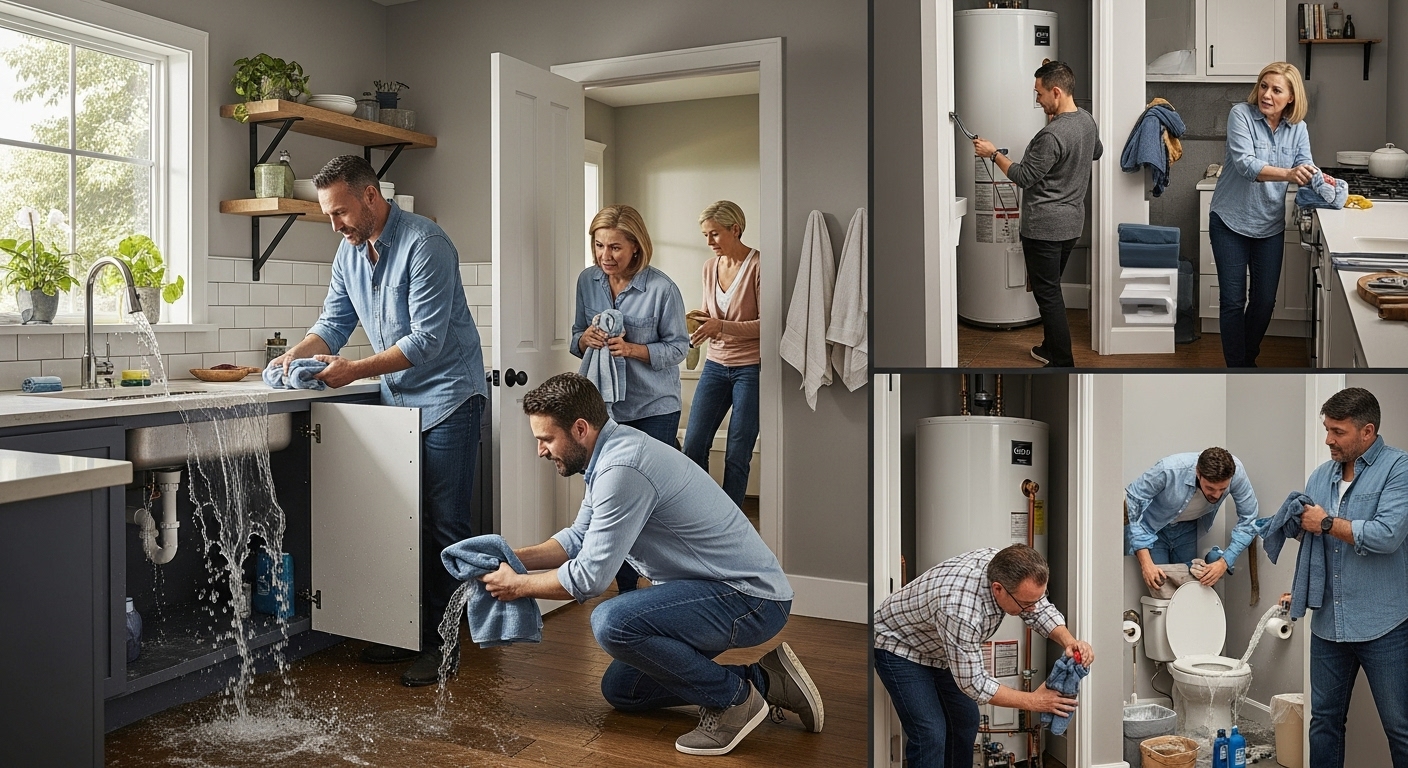
Table of ContentsAccording to Northern Ireland government guidanceMain Factors Affecting Boiler Replacement Cost, immediate action is crucial when facing severe plumbing problems. Homeowners should be prepared to identify and respond to emergencies swiftly.Boiler Type And Efficiency Ratings
Key indicators of a serious plumbing emergency include:Installation Complexity And Property Considerations
- Burst pipes causing significant water leakageRegional Labour And Compliance Costs
- Total loss of water supplyTypical Price Ranges For Different Boiler Types
- Sewage backups or overflowing toiletsCombi Boiler Price Ranges
- Major water pipe rupturesSystem And Regular Boiler Pricing
- Sudden, uncontrolled water floodingRenewable And Specialist Boiler Systems
Professional intervention becomes critical when these situations arise. Additional Costs And Saving OpportunitiesWater damage can compromise structural integrity, create electrical hazards, and lead to expensive repairs if not addressed promptlyHidden Installation And Compliance Expenses. Some emergencies pose immediate health risks, while others threaten long term property stability.Financial Incentives And Energy Efficiency Savings
Quick reference steps for managing a plumbing emergency involve turning off main water valves, preventing further water spread, and documenting damage for potential insurance claims. For comprehensive support with urgent plumbing issues, Long-Term Financial Planning Strategiesour expert plumbing services in EdinburghChoosing A Reliable Boiler Installer Locally provide rapid response and professional solutions.Certification And Professional Credentials
Recognising the difference between a minor inconvenience and a genuine emergency can save homeowners significant stress, financial strain, and potential property damage.Comparative Quotes And Due Diligence
2: Dealing with Burst Pipes QuicklyCompetent Persons Schemes And Regulatory Compliance
Burst pipes represent one of the most urgent and potentially destructive plumbing emergencies a homeowner can experience. Quick SummaryRapid response is crucial to minimise water damage and prevent costly structural repairsTakeaway. Understanding the immediate steps to take can significantly reduce potential long term property consequences.Explanation
According to Choose high-efficiency boilers for long-term savingsMet Office guidanceInvesting in efficiency can reduce energy bills significantly compared to older models with lower efficiency ratings., immediate action is critical when confronting a burst pipe scenario.Consider installation complexities in budget
Immediate emergency response steps include:Factors like property structure and required modifications can raise installation costs considerably.
- Locate and shut off the main water supply valveBe aware of hidden costs
- Open all cold water taps to drain the systemAdditional expenses may include compliance upgrades and system modifications beyond the boiler’s initial price.
- Switch off electrical systems near water leakagePrioritise certified and reputable installers
- Collect escaping water using buckets and towelsSelecting installers with the right certifications ensures compliance with safety standards and guarantees quality workmanship.
- Document water damage for potential insurance claimsExplore financial incentives for boiler replacement
Electrical safety takes precedence during water emergenciesGovernment grants and programs can offset costs, making energy-efficient solutions more accessible for homeowners.. If water has leaked near electrical outlets or appliances, avoid direct contact and switch off power at the main fuse box. Professional intervention becomes essential to prevent potential electrical hazards and comprehensive water damage.Main Factors Affecting Boiler Replacement Cost
Homeowners should understand that water can quickly compromise structural integrity, causing significant damage to walls, floors, and foundational elements. Boiler replacement costs are not a one-size-fits-all expense. Multiple complex factors determine the total investment homeowners will need to make when upgrading their heating system. Understanding these variables helps residents in Edinburgh and Midlothian make informed decisions about their boiler replacement strategy.Professional plumbers can assess hidden damage and provide comprehensive repair strategiesBoiler Type and Efficiency Ratings.The specific type of boiler you choose significantly impacts overall replacement costs. Condensing boilers, which are more energy efficient, typically cost more upfront but provide substantial long-term savings on energy bills.
For comprehensive support in managing such critical situations, our expert plumbing services in Edinburgh offer rapid response and professional solutions. Quick thinking and immediate action can transform a potential disaster into a manageable repair scenario.Learn more about our boiler replacement services
3: Steps to Take for a Blocked Drain to understand how different models can affect your total investment.
Blocked drains can quickly escalate from a minor inconvenience to a significant plumbing emergencyAccording to the , causing potential structural damage and health risks if left unaddressed. Understanding how to respond effectively can prevent extensive complications and costly repairs.U.S. Department of Energy
According to , efficiency ratings play a crucial role in determining both initial costs and ongoing operational expenses. Modern condensing boilers can achieve efficiency ratings of up to 95%, compared to older models that might operate at 60-70% efficiency. This means for every pound spent on heating, you could save significantly more with a high-efficiency unit.Environment Agency guidanceInstallation Complexity and Property Considerations, proactive management of drainage systems is crucial for preventing potential flooding and structural issues.The structural characteristics of your property dramatically influence boiler replacement costs. Factors such as accessibility, existing pipework, flue requirements, and potential necessary upgrades to your heating infrastructure can substantially increase total expenses. Older properties in Edinburgh’s historic districts might require more complex installations due to unique architectural features or outdated heating systems.
Recognising the signs of a serious drain blockage is the first critical step. Additional installation considerations include:Warning indicators includeFlue positioning:: Modern condensing boilers often require different flue arrangements compared to traditional models
- Slow drainage in sinks, showers, or toiletsPipework modifications
- Unusual gurgling sounds from plumbing fixtures: Potentially extensive work to ensure compatibility with new boiler systems
- Unpleasant sewage odoursSystem upgrades
- Water backing up in multiple locations: Potential need for new radiators or enhanced insulation to maximise efficiency
- Visible water pooling around drain areasRegional Labour and Compliance Costs
Immediate actions for managing a blocked drain involve avoiding DIY chemical solutions that can damage pipesLocal labour rates in Edinburgh and Midlothian, combined with strict regulatory compliance requirements, contribute significantly to boiler replacement expenses. Gas Safe registration, mandatory safety inspections, and adherence to building regulations all factor into the overall cost. Professional engineers must ensure that every installation meets current safety standards, which requires specialist skills and thorough documentation.. Instead, homeowners should focus on preliminary interventions that minimize potential damage. Using a plunger can sometimes dislodge minor blockages, but persistent issues require professional assessment.When budgeting for boiler replacement, homeowners should anticipate not just equipment costs, but also professional installation, potential property modifications, and ongoing maintenance requirements. While upfront expenses might seem substantial, investing in a high-quality, efficient boiler can lead to considerable long-term energy savings and improved home comfort.
Electrical safety remains paramount during drainage emergencies. Typical Price Ranges for Different Boiler TypesWater accumulation near electrical systems can create significant hazardsBoiler replacement costs vary significantly depending on the type of system, technology, and specific requirements of your property. Understanding these price ranges helps homeowners in Edinburgh and Midlothian make informed decisions about their heating investment., necessitating immediate professional intervention. To help you compare the types of boilers and their typical replacement costs as discussed above, here is an overview highlighting their main features and price ranges:Professional plumbers possess specialized equipment like CCTV drain cameras to accurately diagnose and resolve complex blockage issuesBoiler Type.Price Range
For comprehensive support addressing drainage challenges, our expert plumbing services in Edinburgh offer professional diagnostics and rapid resolution. Understanding when to seek professional help can save homeowners significant time, money, and potential property damage.Key Features
4: How to Handle a Toilet OverflowCombi Boiler
Toilet overflows represent a critical plumbing emergency that can cause substantial property damage and potential health hazards£1,500 – £3,500. Understanding how to respond quickly and effectively can prevent extensive water damage and contamination risks.Compact, efficient, no separate tank required
According to System BoilerWandsworth Borough Council guidance£2,000 – £4,500, managing toilet overflows requires immediate and strategic intervention.Requires water cylinder, suitable for larger homes
Emergency steps for managing a toilet overflow include:Regular (Conventional)
- Stop water flow immediately by closing the shut off valve£2,000 – £4,500
- Remove excess water using towels or a wet vacuumNeeds both tank & cylinder, best for large homes
- Wear protective gloves and sanitise affected areasHeat Pump (Whole Home)
- Avoid flushing until the underlying issue is resolved£16,000 – £24,000
- Assess potential contamination risksRenewable, major installation, high efficiency
Contaminated water poses significant health risksHeat Pump (Single-Zone), including potential exposure to harmful bacteria and pathogens. Homeowners should treat sewage water as a serious biohazard, avoiding direct contact and ensuring thorough cleaning and disinfection of affected surfaces.Around £5,500
Electrical safety remains paramount during water-related emergencies. Renewable, installation for one areaIf water approaches electrical outlets or systems, immediately switch off power at the main circuit breakerBiomass/Advanced Condensing. This prevents potential electrical hazards and reduces the risk of short circuits or electrical fires.£4,500 – £15,000
Preventing future overflows involves regular toilet maintenance, including checking flush mechanisms, avoiding flushing inappropriate materials, and addressing minor issues before they escalate. Specialist, high efficiency, for eco-consciousRegular professional inspections can identify potential problems before they become emergenciesCombi Boiler Price Ranges.Combi boilers remain a popular choice for many households due to their compact size and efficiency. Typically, these systems range from £1,500 to £3,500, including installation.
For comprehensive support in managing toilet overflow emergencies, our expert plumbing services in Edinburgh provide rapid response and professional solutions to protect your property and health.Explore our detailed boiler replacement options
5: Managing Water Heater Failures to understand which model might suit your specific needs.
Water heater failures represent a serious plumbing emergency that can disrupt household comfort and potentially cause significant property damageAccording to the . Recognising early warning signs and understanding immediate response strategies are crucial for homeowners.U.S. Department of Energy
According to , an ENERGY STAR-qualified residential gas boiler can save money if priced no more than £550 above a less efficient model. The most efficient models can potentially save up to £1,000 over their lifetime through reduced energy consumption.Health and Safety Executive guidanceSystem and Regular Boiler Pricing, proper water heater management involves critical safety and maintenance considerations.System and regular boilers are more complex installations that typically require additional water storage tanks. These systems are often more suitable for larger properties with multiple bathrooms. Price ranges for these boilers generally span from £2,000 to £4,500, depending on the property’s size and specific heating requirements.
Key indicators of potential water heater failure include:The installation complexity increases costs due to:
- Unusual noises from the hot water cylinderAdditional water cylinder requirements
- Inconsistent water temperatureMore extensive pipework
- Visible water leakage around the unitPotential structural modifications
- Discoloured or rust-tinted waterRenewable and Specialist Boiler Systems
- Significant drop in hot water pressureEmergent technologies like heat pumps and renewable heating systems represent a more significant investment.
Electrical and gas water heaters pose unique risks that require professional assessmentRewiring America. Homeowners should never attempt complex repairs without expert intervention, as this could compromise system integrity and personal safety. Gas leaks, electrical shorts, and potential scalding hazards demand immediate professional attention. indicates that whole-home heat pump installations can range from £16,000 to £24,000 for average-sized properties. Single-zone heat pump systems might cost around £5,500.
Quick isolation of the water heater is critical during an emergency. This involves shutting off the power supply for electrical units or the gas supply for gas-powered systems. Closing the cold water inlet valve can prevent further water accumulation and potential damage.Specialist boiler systems such as biomass or advanced condensing models can range from £4,500 to £15,000, reflecting their sophisticated technology and potential long-term energy savings. Factors influencing these prices include:
Prevention remains the most effective strategy. Regular maintenance, annual professional inspections, and understanding your system’s age and condition can mitigate unexpected failures. Technological complexityGet a comprehensive boiler installation quoteEnergy efficiency ratings to ensure your system remains in optimal condition and potential emergencies are minimised.Installation requirements
Professional plumbers can provide comprehensive diagnostics, identifying underlying issues before they escalate into full-scale emergencies. Proactive management not only preserves your water heating system but also protects your property from potential water damage and expensive repairs.Government renewable energy incentives
6: Responding to Gas Leaks SafelyHomeowners should consider not just the initial purchase price, but also long-term operational costs, potential energy savings, and environmental impact when selecting a boiler replacement. Professional consultation can help determine the most cost-effective solution for your specific property and heating needs.
Gas leaks represent one of the most dangerous and potentially life-threatening plumbing emergenciesAdditional Costs and Saving Opportunities, requiring immediate and calculated response to protect human life and property. Boiler replacement involves more than just the initial equipment and installation costs. Homeowners in Edinburgh and Midlothian should be aware of potential additional expenses and strategic opportunities to reduce overall investment while maximising long-term energy efficiency.Understanding the critical steps for managing a potential gas leak can mean the difference between safety and catastropheHomeowners should consider both visible and hidden costs during boiler replacement. The table below summarises additional expenses and saving opportunities mentioned within the article:.Cost/Saving Opportunity
According to DescriptionHealth and Safety Executive guidanceElectrical system upgrades, specific protocols must be followed during a suspected gas leak.May be needed to support new boiler operation
Immediate safety steps for gas leak situations include:Pipework reconfiguration
- Evacuate all occupants from the premises immediatelyEnsures compatibility with new boiler types
- Avoid using electrical switches or creating potential sparksFlue and ventilation modifications
- Open windows and doors for ventilationRequired for modern condensing boilers
- Shut off the main gas supply valveInsulation improvements
- Call the National Gas Emergency ServiceEnhance overall heating efficiency
Recognising the signs of a potential gas leak is crucial for early interventionRenewable Heat Incentive (RHI). Distinctive odours resembling rotten eggs, unusual hissing sounds near gas appliances, or unexplained physical symptoms like headaches and nausea can indicate gas presence. Carbon monoxide detectors provide an additional layer of protection, alerting residents to potentially dangerous gas concentrations.Government payments for renewable installations
Electrical safety becomes paramount during gas leak scenarios. Energy efficiency grantsAbsolutely no electrical devices should be operatedFinancial support for upgrading to efficient systems, including light switches, mobile phones, or any equipment that could generate sparks. The risk of potential ignition makes these actions critically dangerous.Reduced energy bill potential
Professional intervention is non-negotiable. Our expert plumbing services in Edinburgh specialise in rapid gas leak detection and resolution, ensuring comprehensive safety assessments and immediate mitigation strategies.Lower running costs due to higher efficiency
Homeowners should prioritise prevention through regular professional inspections, maintaining gas appliances, and installing reliable carbon monoxide detection systems. Proactive management can significantly reduce the likelihood of dangerous gas leak scenarios.Lower carbon emissions tax credits
7: When to Call a Professional PlumberSavings from reduced environmental impact
Prices for boiler replacement in the region can range widely depending on the system type. For example, a combi boiler can cost between £1,500 and £3,500, while renewable systems like heat pumps may range from £16,000 to £24,000, includiFrequently Asked Questions
What are the signs of a plumbing emergency?ng installation. Installation complexities and property specifics can also affect the final price.
A plumbing emergency may be indicated by burst pipes, total loss of water supply, sewage backups, major water leaks, or sudden flooding. Recognising these signs early can help prevent extensive damage.Are there any hidden costs to consider when replacing a boiler?
How should I respond to a burst pipe?Yes, there can be several hidden costs associated with boiler replacement. These may include necessary upgrades to electrical systems, modifications to pipework and flues, and compliance with building regulations. Homeowners should budget for these potential additional expenses alongside the cost of the boiler itself.
Immediately locate and shut off the main water supply valve, open cold water taps to drain the system, switch off electrical systems near the leak, and document the damage for potential insurance claims.What are the benefits of choosing a high-efficiency boiler?
What should I do if my toilet overflows?Opting for a high-efficiency boiler can lead to significant long-term savings on energy bills. These boilers typically have efficiency ratings of 90% or higher, compared to older models that might be only 60-70% efficient. This increased efficiency reduces energy consumption, ultimately saving money over time.
First, stop the water flow by closing the shut-off valve. Then, remove excess water with towels or a wet vacuum and sanitise the affected areas. Avoid flushing the toilet until the problem is resolved to prevent further issues.Make Informed Boiler Choices and Secure Real Savings with Thermatek
When should I call a professional plumber?If trying to work out the true cost of replacing your boiler feels overwhelming, you are not alone. The article highlighted real challenges such as unexpected expenses, complex installation needs, and worries about picking reputable engineers. Homeowners across Edinburgh and Midlothian often share these concerns, especially with hidden compliance costs and the pressure to find systems that truly cut energy bills long-term.
You should call a professional plumber for complex repairs, persistent drainage issues, potential structural water damage, gas line repairs, or when you face plumbing emergencies that require expert intervention.There is no reason to leave these crucial decisions to chance. The accredited Gas Safe engineers at
RecommendedThermatek Heating & Plumbing
- Boiler Installation Quote - Thermatek Heating offer expert advice for every boiler replacement, renewable upgrade, and essential heating service. Whether you want to compare high-efficiency boilers, explore renewable options, or discover the best ways to save with government incentives, our team is ready to help. Check out our
- News - Thermatek Heatingboiler replacement service details
- Plumbing Services In Edinburgh - Thermatek Heating or arrange your free quote today. Visit
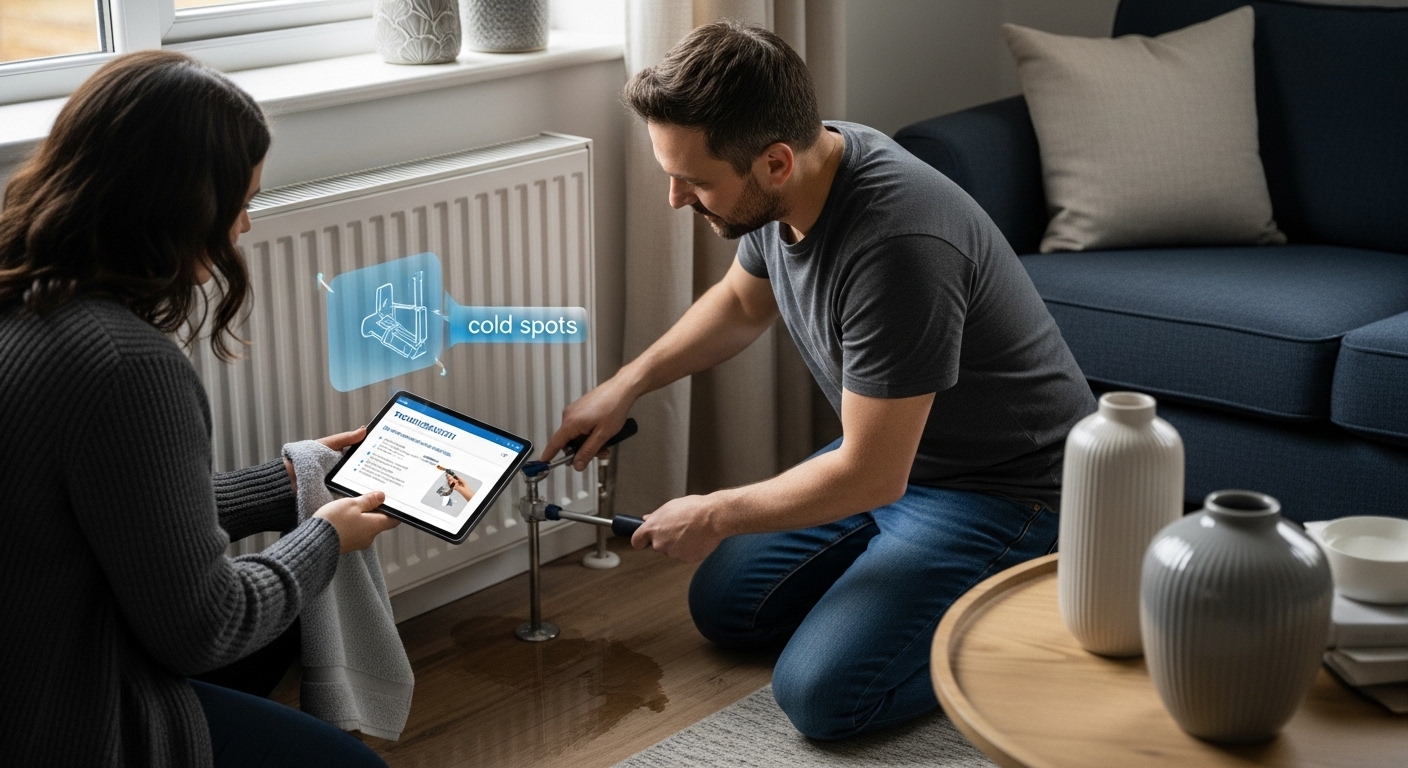
7 Common Radiator Problems and How to Fix Them and start your journey to confident, hassle-free heating upgrades now.
Radiators keep your home cosy through long winters and chilly evenings. Yet, over Recommendedone in three UK homes faces radiator trouble every yearNew Boiler Installation & Replacement In Edinburgh - Thermatek Heating. Most people expect big problems like leaks or loud bangs to spell disaster. The real shock is that simple issues such as trapped air or tiny cold spots can quietly sap your heating’s performance and drain your wallet long before you notice anything major.Boiler Repair In Edinburgh | 24/7 Emergency Call Out - Thermatek Heating
Table of ContentsAnnual Boiler Servicing In Edinburgh - Thermatek Heating
- Identifying The Signs Of A Faulty RadiatorCentral Heating Power Flushing In Edinburgh - Thermatek Heating
- Bleeding Your Radiators: A Step-By-Step Guideby Thermatek Heating
- Preparation And SafetyWhat Is a System Boiler? Guide for Edinburgh & Midlothian
- Bleeding ProcessChoosing the right boiler for your Edinburgh or Midlothian home can feel overwhelming, especially with so many technical differences to consider. Most people never realise that
- Key Considerationssystem boilers can achieve efficiency ratings up to 95 percent, cutting energy bills and emissions dramatically
- Understanding Radiator Noises And Their Causes. Yet the biggest surprise is not about saving money or going green. It is the way a system boiler can actually futureproof your home for new technology and make everyday living much simpler than you might expect.
- Troubleshooting Cold Spots On Your RadiatorsComparing System Boilers To Other Boiler Types
- How To Fix Leaks In Your Radiator SystemEnergy Efficiency And Cost Savings
- Maintaining Your Radiator For LongevityEvaluating Property Compatibility
- Essential Maintenance PracticesFinancial And Long-Term Planning
- Annual Inspection ChecklistQuick Summary
- Preventing Corrosion And SedimentTakeaway
- Smart Temperature ManagementExplanation
- Professional Maintenance StrategiesSystem boilers are ideal for larger households.
- Seasonal PreparationThey store hot water for simultaneous use, making them suitable for multiple bathrooms and high hot water demands.
- When To Call A Professional For Radiator IssuesHigh efficiency ratings cut energy costs.
- Critical Warning SignsSystem boilers can achieve up to 95% efficiency, reducing energy bills and environmental impact significantly.
- System-Wide Performance IssuesMaintenance is simpler with integrated components.
- Complex Technical ChallengesThe compact design minimizes potential failure points, leading to lower servicing demands and more reliable performance.
- Cost-Effective Long-Term SolutionsConsider property compatibility before installation.
Quick SummaryAssess available space for hot water cylinders and existing heating systems to ensure proper integration of a system boiler.
| TakeawayInvest in long-term benefits for better comfort. | ExplanationWeigh initial costs against energy savings and comfort improvements to determine if a system boiler is a sound investment. |
|---|---|
| Identify radiator issues earlyUnderstanding What a System Boiler Does | Monitor for symptoms like cold spots, strange noises, or leaks to avoid major repairs.A system boiler represents a sophisticated heating solution designed to provide efficient central heating and hot water for homes across Edinburgh and Midlothian. Unlike traditional boiler systems, system boilers integrate multiple components directly within the unit, creating a more streamlined and compact heating approach. |
| Bleed radiators annuallyCore Functionality of System Boilers | Remove trapped air to improve heating efficiency; check them before winter for optimal performance.System boilers operate by drawing water directly from the mains supply and heating it through a central heat exchanger. Unlike combi boilers that heat water on demand, system boilers store hot water in a separate cylinder, which allows for multiple simultaneous hot water outputs. |
| Respond promptly to leaksResearch from the Energy Saving Trust | Address radiator leaks immediately to prevent water damage and ensure heating system integrity. indicates that this design can be particularly beneficial for larger households with higher hot water demands. |
| Recognise when to hire a professionalThe internal components of a system boiler are compact and integrated, which means fewer external parts and a more efficient overall system. The built-in pump and expansion vessel reduce the need for additional external machinery, making installation and maintenance more straightforward for homeowners in the Edinburgh region. | Seek expert help for persistent issues like major leaks, system-wide failures, or extensive corrosion to avoid further damage.Efficiency and Performance Considerations |
| Maintain regular inspection routinesSystem boilers excel in homes with multiple bathrooms or where simultaneous hot water usage is common. | Conduct annual maintenance checks to enhance radiator performance and longevity, addressing sludge and corrosion proactively.According to the UK Government’s Heat and Buildings Strategy |
1: Identifying the Signs of a Faulty Radiator, system boilers can achieve efficiency ratings up to 95%, making them an environmentally conscious choice for residential heating.
Recognising common radiator problems early can save you significant time, money, and prevent potential heating system failures. Understanding the warning signs helps homeowners address issues before they escalate into major repairs.The key advantages include consistent hot water pressure, compatibility with solar thermal systems, and reduced installation complexity compared to traditional heating setups. Homeowners can expect steady hot water distribution without the pressure drops typically experienced with other boiler types.
Radiators communicate their health through several telltale indicators that attentive property owners should watch. According to For residents in Edinburgh and Midlothian considering a heating system upgrade, understanding these technical nuances helps make an informed decision. Southwark Council’s home maintenance guidanceLearn more about our boiler replacement services, some key symptoms of radiator issues include: to explore how a system boiler might suit your specific home heating requirements.
- Cold spots or uneven heating across the radiator surfaceComparing System Boilers to Other Boiler Types
- Unusual gurgling or banging noises during operationNavigating the complex world of heating systems requires understanding the unique characteristics of different boiler types. System boilers stand out as a sophisticated solution, offering distinct advantages compared to traditional heating technologies used in Edinburgh and Midlothian homes.
- Persistent leaks around radiator connections or valvesTo help readers quickly compare the key features, advantages, and suitability of system boilers and combi boilers discussed in the article, the following table summarises their main differences and use cases:
- Radiators taking longer than usual to warm upFeature/Aspect
Cold Spots and Uneven HeatingSystem Boiler
Cold spots often indicate trapped air or sediment buildup within your heating system. When radiators develop cold areas at the bottom or middle, this typically suggests internal blockages preventing proper heat circulation. These blockages can significantly reduce your heating efficiency and increase energy consumption.Combi Boiler
Unusual Sounds and LeaksHot Water Storage
Strange noises like banging, whistling, or gurgling are not normal radiator behaviours. These sounds might signal trapped air, excessive pressure, or mechanical issues within your heating system. Similarly, any visible moisture or persistent leaks around radiator connections demand immediate professional assessment.Requires separate hot water cylinder
Performance and Efficiency IndicatorsNo separate cylinder; heats on demand
If your radiators consistently struggle to reach desired temperatures or take considerably longer to warm up, this could indicate underlying problems. Reduced heating performance might stem from air trapped in the system, mineral deposits, or potential valve malfunctions.Simultaneous Hot Water Use
Proactive monitoring and timely intervention can prevent minor radiator issues from transforming into expensive heating system repairs. Regular visual inspections and understanding these warning signs will help maintain your home’s heating efficiency and comfort.Suitable for multiple bathrooms/high demand
2: Bleeding Your Radiators: A Step-by-Step GuideLimited; best for single bathroom or low demand
Bleeding radiators is a crucial maintenance task that helps eliminate trapped air, ensuring optimal heating performance and system efficiency. By understanding and executing this process correctly, homeowners can resolve common heating issues and improve overall warmth distribution.Space Requirements
Before beginning the bleeding process, gather the necessary tools:Needs space for cylinder
- Radiator bleed keyCompact; ideal for properties with limited space
- Clean cloth or towelWater Pressure
- Container to catch waterConsistent, good for larger households
- Protective glovesVariable; may drop with multiple outlets in use
Preparation and SafetyTypical Property Size
Before bleeding your radiators, Larger homesturn off your central heating systemSmaller flats/houses to prevent hot water circulation. Allow radiators to cool completely to avoid potential scalding. Identify which radiators require bleeding by checking for cold spots or uneven heating during system operation.Installation Complexity
Bleeding ProcessGenerally requires more installation space
Start with the radiator located furthest from your boiler. Position your container underneath the bleed valve to catch any water. Insert the bleed key into the valve and slowly turn counterclockwise. You will hear a hissing sound as trapped air escapes. Once water begins to flow steadily, close the valve by turning clockwise.Easier, simpler installation
Key ConsiderationsMaintenance
Be cautious not to over-tighten the valve, as this can damage the mechanism. After bleeding, Integrated components simplify servicingcheck your boiler pressureFewer parts, also low maintenance. If pressure has dropped significantly, you may need to repressurize the system or System Boilers vs Combi Boilerslearn more about central heating maintenanceCombi boilers and system boilers represent two fundamentally different approaches to home heating. While combi boilers heat water instantaneously and do not require a separate hot water cylinder, system boilers store hot water in a dedicated cylinder, providing more consistent water pressure and higher volume capabilities. .Research from the Energy Saving Trust
Frequent air accumulation might indicate underlying system issues. If you consistently need to bleed radiators, consider professional inspection to identify potential problems like system corrosion or incorrect installation. highlights that system boilers are particularly advantageous for larger households with multiple bathrooms or high simultaneous hot water demands.
Regular radiator bleeding typically resolves minor heating inefficiencies, improving your home’s comfort and reducing energy consumption. Perform this maintenance task annually or when you notice reduced heating performance.The primary distinction lies in water storage and delivery. Combi boilers work well in smaller properties with limited space and lower hot water requirements, whereas system boilers excel in homes needing substantial hot water capacity. The integrated pump and expansion vessel in system boilers also simplify installation and reduce external pipework complexity.
3: Understanding Radiator Noises and Their CausesCondensing vs Non-Condensing Boiler Technologies
Radiator noises can range from mild annoyances to indicators of serious system problems. Recognising different sounds helps homeowners diagnose potential issues before they escalate into costly repairs.According to the U.S. Department of Energy
Common radiator noises include:, condensing boilers represent a significant technological advancement in heating efficiency. System boilers can be designed as condensing units, which extract additional heat from water vapor in combustion gases, potentially improving overall system efficiency by up to 10-15% compared to traditional non-condensing models.
- Banging or hammering soundsCondensing system boilers capture and reuse heat that would typically be lost in exhaust gases, converting more fuel energy into usable heating. This approach not only reduces energy consumption but also minimizes carbon emissions, aligning with growing environmental sustainability standards in residential heating.
- Whistling or high-pitched squealingHybrid Heating System Potential
- Gurgling or bubbling noisesThe future of home heating lies in integrated solutions.
- Constant ticking or clickingResearch from the University of Portsmouth
Banging and Hammering Sounds suggests that hybrid systems combining gas boilers with renewable alternatives like heat pumps offer promising energy efficiency improvements. System boilers are particularly well-suited for such hybrid configurations, providing flexibility for homeowners looking to transition towards more sustainable heating technologies.
Loud banging noisesBy understanding these nuanced differences, residents in Edinburgh and Midlothian can make informed decisions about their home heating infrastructure. typically suggest water hammer issues within your heating system. This occurs when water suddenly changes direction or stops abruptly, creating intense pressure and vibration. Such sounds might indicate problematic valve operations, high water pressure, or misaligned pipe supports.Explore our comprehensive boiler replacement services
Whistling and Squealing to determine the most suitable heating solution for your specific requirements.
High-pitched whistling often signals Key Benefits for Homes and Propertiesrestricted water flowSystem boilers provide substantial advantages for homeowners in Edinburgh and Midlothian, offering a sophisticated heating solution that goes beyond traditional heating technologies. Understanding these benefits helps property owners make informed decisions about their home heating infrastructure. or potential valve problems. According to Energy Efficiency and Cost SavingsUK government noise management guidelinesResearch from the Open University, persistent unusual sounds can constitute a noise nuisance and should be investigated promptly. These sounds might result from lime scale buildup, partially closed valves, or worn mechanical components. indicates that modern condensing boilers can achieve efficiency ratings exceeding 85%, a significant improvement over older models that typically operated at around 65%. This enhanced efficiency translates directly into reduced energy consumption and lower utility bills for homeowners.
Gurgling and BubblingSystem boilers are particularly adept at maintaining consistent heat distribution, which minimizes energy waste. The integrated design allows for more precise temperature control, enabling households to optimize their heating expenditure. Homeowners can expect to see meaningful reductions in their annual heating costs, making system boilers a financially prudent long-term investment.
Gurgling noises frequently indicate air trapped within your radiator or heating system. This trapped air prevents proper water circulation, reducing heating efficiency and creating unusual sounds. Regular bleeding and system maintenance can help eliminate these air pockets and restore smooth operation.Property Value and Sustainability
Potential Causes and SolutionsAccording to the University of Portsmouth
Radiator noises often stem from several interconnected factors:, hybrid heating systems combining traditional boilers with renewable technologies can reduce greenhouse gas emissions by approximately 30%. System boilers are particularly well-positioned in this context, offering compatibility with emerging green technologies and potentially increasing property attractiveness to environmentally conscious buyers.
- Incorrect water pressureThe compact, integrated design of system boilers means less external pipework and a more streamlined aesthetic for properties. This can be particularly advantageous for homeowners looking to maintain a clean, modern appearance while implementing advanced heating solutions.
- Accumulated sedimentMaintenance and Long-Term Performance
- Air trapped in the systemThe U.S. Department of Energy
- Mechanical wear of valves and components emphasizes the critical role of regular maintenance in ensuring optimal heating system performance. System boilers excel in this regard, with their integrated components reducing potential failure points and simplifying routine servicing.
While some noises can be resolved through simple maintenance like bleeding radiators, persistent or loud sounds warrant professional investigation. Ignoring these audio warnings might lead to more significant heating system failures and increased repair costs.The built-in pump and expansion vessel mean fewer external parts that can malfunction, resulting in more reliable performance and potentially lower maintenance costs. Homeowners can expect a more consistent and dependable heating experience, with reduced likelihood of unexpected breakdowns.
Homeowners should approach radiator noises as communication signals from their heating system, requiring careful listening and timely response.For Edinburgh and Midlothian residents considering a heating system upgrade, system boilers represent a forward-thinking solution that balances immediate comfort with long-term efficiency.
4: Troubleshooting Cold Spots on Your RadiatorsLearn more about our comprehensive boiler installation services
Cold spots on radiators are frustrating issues that can significantly reduce heating efficiency and comfort in your home. Understanding the underlying causes and implementing targeted solutions can help restore your radiator’s optimal performance. to explore how these advanced heating technologies can transform your home’s energy performance.
Location and Significance of Cold SpotsIs a System Boiler Right for You?
The location of cold spots provides crucial diagnostic information about potential heating system problems. According to Selecting the ideal heating system requires careful consideration of your specific household needs, property characteristics, and long-term energy goals. System boilers offer unique advantages, but understanding whether they align with your requirements is crucial for making an informed decision.DIY Doctor’s home maintenance guideThe following table provides a checklist to help you determine if a system boiler is the right choice for your household and property. Review each criterion to assess your suitability:, cold spots can manifest in different areas of the radiator, each indicating a unique issue:Requirement / Consideration
- Cold spots at the top of the radiator suggest trapped airDoes It Apply to You?
- Cold spots in the middle indicate potential sludge accumulationMultiple bathrooms in property
- Cold spots at the bottom might signal severe internal corrosionHigh simultaneous hot water demand
Trapped Air DiagnosisSpace available for hot water cylinder
Top cold spotsExisting heating system allows integration are typically caused by air bubbles preventing proper water circulation. These air pockets block hot water from reaching the upper sections of the radiator, creating uneven heating. Bleeding the radiator remains the primary solution, releasing trapped air and restoring consistent heat distribution.Property insulation and efficiency suitable
Sludge and Sediment BuildupInterested in future-proofing for renewables
Middle or bottom cold spots often result from Willing to invest in installation for savingssediment accumulationAssessing Your Household Needs
s, and mineral deposits can dramatically reduce heat transfer efficiency. Regular power flushing helps remove these contaminants, preventing internal blockages and maintaining optimal thermal performance. and make a bigger difference to your comfort and wallet than any thermostat tweak ever could.
Smart Temperature ManagementTable of Contents
Installing Why Flush Your Heating System Regularlythermostatic radiator valvesThe Hidden Dangers Of System Buildup provides precise temperature control while reducing unnecessary energy consumption. These intelligent valves automatically adjust heat output based on room temperature, preventing overheating and minimising system strain.Economic And Performance Benefits Of Regular Flushing
Professional Maintenance StrategiesStep-By-Step Guide To Flush Heating System
While homeowners can perform basic maintenance, professional servicing remains crucial. Trained heating engineers can:Preparing For The Heating System Flush
- Conduct comprehensive system diagnosticsTechnical Flushing Procedure
- Identify potential future issuesPost-Flushing System Checks
- Perform advanced cleaning techniquesHow To Spot When Your Heating Needs Flushing
- Recommend targeted improvementsPerformance And Efficiency Warning Signs
Seasonal PreparationPhysical Symptoms Of System Contamination
Preparing your radiators for seasonal changes prevents unexpected breakdowns. Before winter, bleed radiators to remove trapped air, inspect connections, and ensure all components function correctly. Summer provides an ideal opportunity for thorough system assessment and preventative maintenance.Preventative Detection Strategies
Consistent, proactive care transforms radiators from potential problem sources into reliable, efficient heating components.Choosing A Local Professional In Edinburgh And Midlothian
7: When to Call a Professional for Radiator IssuesEssential Qualifications And Credentials
While many radiator issues can be addressed through DIY maintenance, certain complex problems require professional intervention. Recognising the boundaries between home maintenance and expert repair is crucial for protecting your heating system and preventing costly long-term damage.Evaluating Professional Expertise And Reputation
Critical Warning SignsCost Considerations And Service Expectations
Certain radiator symptoms demand immediate professional attention:Quick Summary
- Persistent water leaksTakeaway
- Complete system failureExplanation
- Unexplained pressure dropsRegular flushing boosts heating efficiency
- Extensive corrosionFlushing the system can improve energy efficiency by up to 15%, leading to cost savings on heating bills.
- Unusual loud or continuous noisesIdentify early warning signs
System-Wide Performance IssuesLook for uneven heating, higher energy bills, or discolored water to determine when flushing is necessary.
Consistent cold spotsProfessional help is recommended across multiple radiators often indicate broader system complications beyond simple bleeding or valve adjustments. These widespread performance problems suggest potential internal blockages, circulation failures, or significant sediment accumulation that require professional diagnostic equipment and expertise.Engaging a qualified heating engineer ensures safe, effective system maintenance tailored to your specific needs.
According to System flushing prevents costly repairs
- Mineral ScaleEnsure manufacturer warranty compliance
Ultimately, recognising when to seek professional help protects your heating investment, ensures system reliability, and maintains your home’s comfort and safety.Precipitation of water minerals
Below is a comprehensive table summarising the key radiator problems, their signs, causes, and recommended solutions discussed throughout the article.Blocked pipes, reduced efficiency
| IssueContaminated System Water | Common SignsLack of regular maintenance | Likely CausesPotential mechanical failure | Recommended ActionsEconomic and Performance Benefits of Regular Flushing |
|---|---|---|---|
| Cold spots/Uneven heatingRegular heating system flushing provides multiple tangible benefits that directly impact homeowners. | Areas of radiator not warming evenlyEnergy Saving Trust research | Trapped air (top), sludge (middle), corrosion (bottom) indicates that a well-maintained heating system can improve energy efficiency by up to 15%, translating to significant cost savings on annual heating expenses. By removing accumulated debris, homeowners can experience: | Bleed radiators, power flush, professional help if persistentImproved Heating Efficiency |
| Unusual noises: Clean systems transfer heat more effectively | Banging, whistling, gurgling, tickingReduced Energy Consumption | Trapped air, high pressure, valve issues, sediment: Less effort required to heat your home | Bleed radiators, check water pressure, consult expert for persistent noisesExtended System Lifespan |
| Leaks: Preventing corrosion and mechanical stress | Water around connections, valves, or radiator bodyConsistent Heating Performance | Valve failures, corrosion, damaged joints: Even heat distribution across radiators | Turn off valves, contain water, temporary seal, contact a professionalMoreover, a thoroughly flushed heating system operates more quietly and requires fewer emergency repairs. The process removes blockages that can cause uneven heating, cold spots in radiators, and unnecessary strain on your boiler. This proactive maintenance approach not only saves money but also provides peace of mind, knowing your heating infrastructure is operating at peak performance. |
| Radiators slow to heatBy understanding the critical importance of regular heating system flushing, Edinburgh homeowners can protect their investment, reduce long-term maintenance costs, and ensure a consistently warm and comfortable living environment throughout the challenging Scottish winters. | Delayed or inefficient warmingStep-by-Step Guide to Flush Heating System | Air in system, mineral deposits, valve malfunctionsFlushing a heating system requires careful preparation and precise execution to ensure optimal performance and prevent potential damage. While professional assistance is recommended, understanding the process can help homeowners appreciate the complexity of heating system maintenance. | Bleed radiators, check valves, routine maintenancePreparing for the Heating System Flush |
| Loss of system pressureBefore beginning the flush, several critical preparatory steps must be taken. | Boiler gauge drops after bleeding or leaksAccording to the University of Connecticut’s Integrated Pest Management program | Major air ingress, leaks, boiler issues, proper preparation is essential for safe and effective system maintenance. Start by gathering necessary tools: a hosepipe, a chemical heating system cleaner, protective gloves, and a bucket. Ensure your heating system is completely switched off and cooled down to prevent potential scalding or system damage. | Repressurise, inspect for leaks, seek professional assessmentLocate the drain valve on your heating system, typically found near the boiler or at the lowest point of the system. Position your bucket underneath to catch any draining water. Verify that you have adequate ventilation in the working area and that all electrical connections are safely managed. If you are uncertain about any step, consulting a professional heating engineer is strongly advised. |
| Preventative maintenanceTechnical Flushing Procedure | Annual checks, power flushing, valve inspectionsPurdue University’s Center for Plumbing Safety | N/A recommends a systematic approach to system flushing. Begin by adding a professional-grade chemical heating system cleaner to your system. This solution helps break down accumulated sludge, rust, and mineral deposits. Follow the manufacturer’s instructions precisely regarding the quantity and duration of chemical treatment. | Regular inspections, power flushing, smart controls, professional servicingConnect your hosepipe to the drain valve and direct the other end to an appropriate drainage area. Open the valve gradually, allowing water to flow through the system. The initial water discharge will likely be dark or murky, indicating the presence of accumulated debris. Continue flushing until the water runs clear, which signifies that most contaminants have been removed. This process might take between 30 minutes to an hour, depending on the system’s condition and size. |
| When to call a professionalPost-Flushing System Checks | System-wide failure, major leaks, extensive corrosionAfter completing the flush, carefully refill the system with clean water. Add a corrosion inhibitor to protect metal components and prevent future buildup. Bleed all radiators to remove trapped air, which can impede heating efficiency. Restart the system and monitor its performance, checking for even heat distribution and listening for any unusual sounds. | Complex technical faults, system breakdownIt is crucial to understand that while this guide provides a general overview, heating systems vary significantly. Older systems, complex installations, or those with specific manufacturer requirements might need specialized approaches. For comprehensive and safe maintenance, engaging a qualified heating engineer who can provide tailored advice and professional flushing services is always recommended. | Immediate professional intervention for complex/risk issuesBy following these methodical steps and understanding the importance of each stage, homeowners can contribute to their heating system’s longevity and efficiency. Regular maintenance not only prevents costly repairs but also ensures a consistently comfortable home environment. |
Tired of Struggling With Radiator Worries? Expert Solutions AwaitThe step-by-step flushing procedure can be overwhelming. The following table organises each main stage, key actions, and important notes for a clearer overview of the process.
Are you frustrated by cold spots, strange radiator noises, or worrying leaks that disrupt your comfort and peace of mind at home? If you have tried basic fixes without lasting results, you are not alone. As highlighted in our guide, issues such as uneven heating, persistent leaks, and falling efficiency are not only inconvenient but can lead to costly damage if ignored. You deserve a safe, warm and reliable heating system all year round.Stage
Do not leave your heating to chance this season. The team at Key ActionsThermatek HeatingImportant Notes offers trusted solutions for all radiator problems, from power flushing and professional leak repairs to comprehensive maintenance tailored for Edinburgh and Midlothian properties. Every engineer is Gas Safe Registered and committed to restoring warmth, efficiency and security in your home. Take the first step now—visit Thermatek Heating to request your free quote or to book a priority call-out. Get the professional care your radiators need before small issues become expensive emergencies.Preparation
Frequently Asked QuestionsGather tools (hosepipe, cleaner, gloves, bucket); switch off and cool system
What are the common signs of a faulty radiator?Ensure ventilation and safe electrical management
Common signs include cold spots on the radiator, unusual noises like banging or gurgling, persistent leaks around connections, and radiators taking longer than usual to warm up.Chemical Treatment
How do I bleed my radiators to improve heating performance?Add chemical cleaner and follow manufacturer’s instructions
To bleed your radiators, turn off the central heating, use a radiator bleed key to open the bleed valve, and allow trapped air to escape until water flows steadily. Close the valve after bleeding.Dosage and timing matter
Why do my radiators make strange noises?System Drain
Strange noises like banging, whistling, or gurgling can indicate issues such as water hammer, trapped air, or valve problems. These sounds warrant investigation to ensure efficient heating performance.Attach hose, open drain valve, empty system
What should I do if I find a leak in my radiator?Initial water may be murky
If you find a leak, immediately turn off the radiator valves, use a container to catch water, and absorb moisture with towels. For persistent or severe leaks, seek professional assistance to prevent further damage.Flushing
RecommendedContinue until water runs clear
- News - Thermatek HeatingMay take 30–60 minutes
- Boiler Installation Quote - Thermatek HeatingRefill & Corrosion Inhibitor
- Central Heating Power Flushing In Edinburgh - Thermatek HeatingRefill with clean water, add corrosion inhibitor

7 Key Underfloor Heating Pros and Cons to ConsiderBleeding Radiators
Underfloor heating is changing how homes stay warm and comfortable right across the UK. Most people are surprised to learn that Bleed air from all radiatorsthese systems can cut heating bills by up to 25 percent compared to traditional radiatorsEnsures efficient heating. It sounds futuristic and costly at first glance but the real twist is that underfloor heating is becoming one of the most energy-efficient and practical upgrades for modern living spaces.Post-Flush Checks
Table of ContentsRestart system, check heat and listen for odd noises
- Introduction To Underfloor Heating SystemsWatch for leaks or cold spots
- Pro: Even Heat Distribution Across RoomsHow to Spot When Your Heating Needs Flushing
- Con: Higher Initial Installation CostsRecognizing the early warning signs that your heating system requires flushing is crucial for maintaining its efficiency and preventing costly long-term damage. Homeowners must develop a keen understanding of the subtle indicators that suggest system maintenance is imminent.
- Pro: Energy Efficiency And Lower BillsPerformance and Efficiency Warning Signs
- Con: Longer Heat-Up Time Compared To RadiatorsAccording to ENERGY STAR recommendations
- Pro: Increased Comfort And Floor Warmth, annual pre-season checks are essential for identifying potential heating system issues. Several performance indicators can signal the need for a comprehensive system flush. Uneven heating across radiators, with some areas feeling significantly cooler than others, is a primary red flag. These cold spots suggest potential sludge and debris accumulation blocking proper heat distribution.
- Con: Potential For Damage Under FlooringIncreased energy bills without a corresponding change in usage patterns often indicate reduced system efficiency. When your heating system works harder to generate the same amount of heat, it means internal blockages are forcing the system to consume more energy. Unusual noises such as banging, gurgling, or whistling sounds from radiators or pipes can also point to significant buildup requiring immediate attention.
- Conclusion: Weighing Your Options For HeatingPhysical Symptoms of System Contamination
| DescriptionEnergy savings can be substantial over time. | This heating method operates at lower temperatures, which can lead to heating bill savings up to 25%.Performance/Efficiency |
| Longer heat-up times require planning.Uneven heating | Underfloor systems take time to reach desired temperatures, making them less ideal for immediate heating needs.Some radiators/rooms are significantly cooler |
| Potential moisture-related risks exist.Performance/Efficiency | Water-based systems risk leaks that can lead to structural damage, necessitating professional installation and maintenance.Higher energy bills |
1: Introduction to Underfloor Heating SystemsCosts increase without increased usage
Underfloor heating represents a sophisticated and increasingly popular heating solution that transforms how homes maintain comfortable temperatures. Unlike traditional radiator systems, this innovative technology distributes warmth evenly across entire floor surfaces, creating a unique heating experience that prioritizes both comfort and efficiency.Performance/Efficiency
At its core, underfloor heating works by circulating warm water through a network of pipes installed beneath flooring materials or using electric heating elements. The system generates radiant heat that rises uniformly from the floor, providing Unusual noisesconsistent warmthBanging, gurgling, or whistling sounds without the cold spots typical of conventional heating methods.Physical Symptom
: Check online platforms and local community forums for genuine testimonialsresearch from the University of Salford’s Energy House Labs, underfloor heating systems can achieve more balanced thermal environments compared to traditional heating methods. The key benefits of this even heat distribution include:
- Improved comfort with consistent room temperatures
- Reduced energy consumption
Conventional Boilers: Traditional Heating Systems can lead to moisture accumulation, potentially causing serious issues like subfloor rot, mould growth, and structural weakening. These problems often remain hidden until significant damage has already occurred, making early detection challenging and repairs extremely costly.
According to the Conventional boilers, also known as regular or traditional boilers, are older heating systems that require separate hot water cylinders and cold water storage tanks. Housing Health and Safety Rating System guidanceThe Gas Safe Register, potential installation risks include: notes that these systems are particularly suitable for larger homes with multiple bathrooms and higher hot water demands.
- Moisture penetrationThese boilers are characterised by: into structural building materialsMultiple Components
- Potential compromising of floor structural integrity: Separate hot water cylinder and cold water storage tank
- Risk of hidden water damageHigh Water Capacity beneath floor surfaces: Better for homes with significant hot water requirements
Electric underfloor heating systems, while presenting fewer moisture-related risks, can still encounter electrical problems that might damage flooring or create safety hazards. Incorrect installation, poor-quality materials, or electrical system failures could result in short circuits or gradual floor deterioration.Compatibility
Learn more about our professional heating installation services to understand how expert installation can mitigate these potential risks. Professional assessment, high-quality materials, and precise installation techniques are crucial in preventing potential underfloor heating damage and ensuring long-term system reliability.: Work well with older radiator systems
8: Conclusion: Weighing Your Options for HeatingSystem Boilers: A Modern Middle Ground
Choosing an underfloor heating system represents a significant decision that requires careful consideration of your System boilers represent a middle ground between combi and conventional boilers. They integrate many components witspecific home requirementshin the boiler itself, requiring only a hot water cylinder. This design offers more flexibility for homes with higher hot water needs while maintaining a relatively compact footprint., budget, and long-term comfort goals. While the technology offers remarkable benefits, it is not a universal solution that suits every property or household configuration.System boilers provide:
Homeowners must conduct a Simplified Installationcomprehensive assessment: Fewer external components compared to conventional boilers of their individual circumstances, evaluating factors such as existing floor structure, property age, heating requirements, and financial investment capacity. The potential advantages of improved energy efficiency, consistent warmth, and aesthetic freedom must be carefully balanced against the initial installation costs and potential technical challenges.Consistent Hot Water
According to the UK Department for Energy Security and Net Zero, heating system performance depends significantly on:: Ability to supply multiple bathrooms simultaneously
- Individual property characteristicsBetter Performance
- Occupant behaviour and usage patterns: Improved water pressure and flow rates
- Installation quality and system designWhen selecting a gas boiler, homeowners should consider factors such as property size, hot water requirements, available space, and existing heating infrastructure. Each boiler type offers unique benefits, and the right choice depends on individual household needs.
For properties undergoing renovation or new construction, underfloor heating presents a compelling option that can deliver substantial long-term benefits. Older properties might require more extensive preparatory work, potentially increasing overall installation complexity and expense.The following table compares the three main types of gas boilers discussed in the article, highlighting their key characteristics, advantages, and suitable property types. Use this table to quickly understand which boiler type may be the best fit for your home.
Explore our latest heating solutionsBoiler Type to discover tailored approaches that match your specific requirements. Professional consultation can help you navigate the nuanced landscape of modern heating technologies, ensuring you make an informed decision that maximises comfort, efficiency, and value for your home.Key Features
Below is a comprehensive table summarising the main pros, cons, and essential considerations of underfloor heating as discussed throughout the article.Advantages
| Key AspectSuitable For | BenefitsCombi Boiler | Drawbacks & ConsiderationsNo separate hot water cylinder or tank needed |
|---|---|---|
| Even Heat DistributionSpace-saving, instant hot water, high energy efficiency | Provides consistent, uniform warmth across entire rooms; eliminates cold spotsSmall homes with limited space | N/AConventional Boiler |
| Energy Efficiency & Running CostsRequires hot water cylinder and cold water tank | Operates at lower temperatures, reducing energy consumption; potential heating bill savings up to 25%High water capacity, compatible with older systems | N/ALarge homes, high hot water demand |
| Installation CostsSystem Boiler | N/AIntegrated components, needs only hot water cylinder | Higher upfront investment; often 2-3 times the cost of traditional radiators due to complex labourConsistent hot water, simpler installation, better pressure |
| Comfort & Floor WarmthMedium to large homes, multiple bathrooms | Enhanced comfort, gentle radiant warmth from floors; no cold floor surfacesConsulting with a professional heating engineer can help determine the most suitable gas boiler type for your specific circumstances, ensuring optimal comfort, efficiency, and performance. | N/AChoosing the Right Boiler for Your Property |
| Heat-Up TimeSelecting the appropriate gas boiler for your property involves careful consideration of multiple factors that extend beyond basic heating requirements. The right boiler can significantly impact your home’s energy efficiency, running costs, and overall comfort. | Maintains stable, gentle temperatures once warmedAssessing Your Property’s Heating Needs | Slower heat-up (1–2 hours or more) than radiators; less ideal for immediate heating needsBefore selecting a boiler, homeowners must conduct a comprehensive evaluation of their specific requirements. |
| Structural & Moisture RisksThe Federal Energy Management Program | N/A recommends considering factors such as property size, number of occupants, hot water demand, and existing heating infrastructure. | Potential for leaks and hidden structural damage, especially with water-based systems; electrical faults possibleKey considerations include: |
| Suitability & Home IntegrationProperty Size | Suits modern designs, open spaces, and major renovations; increases property value: Larger homes typically require higher output boilers | May require substantial floor works, best planned alongside major refurbishment or new buildsHot Water Demand |

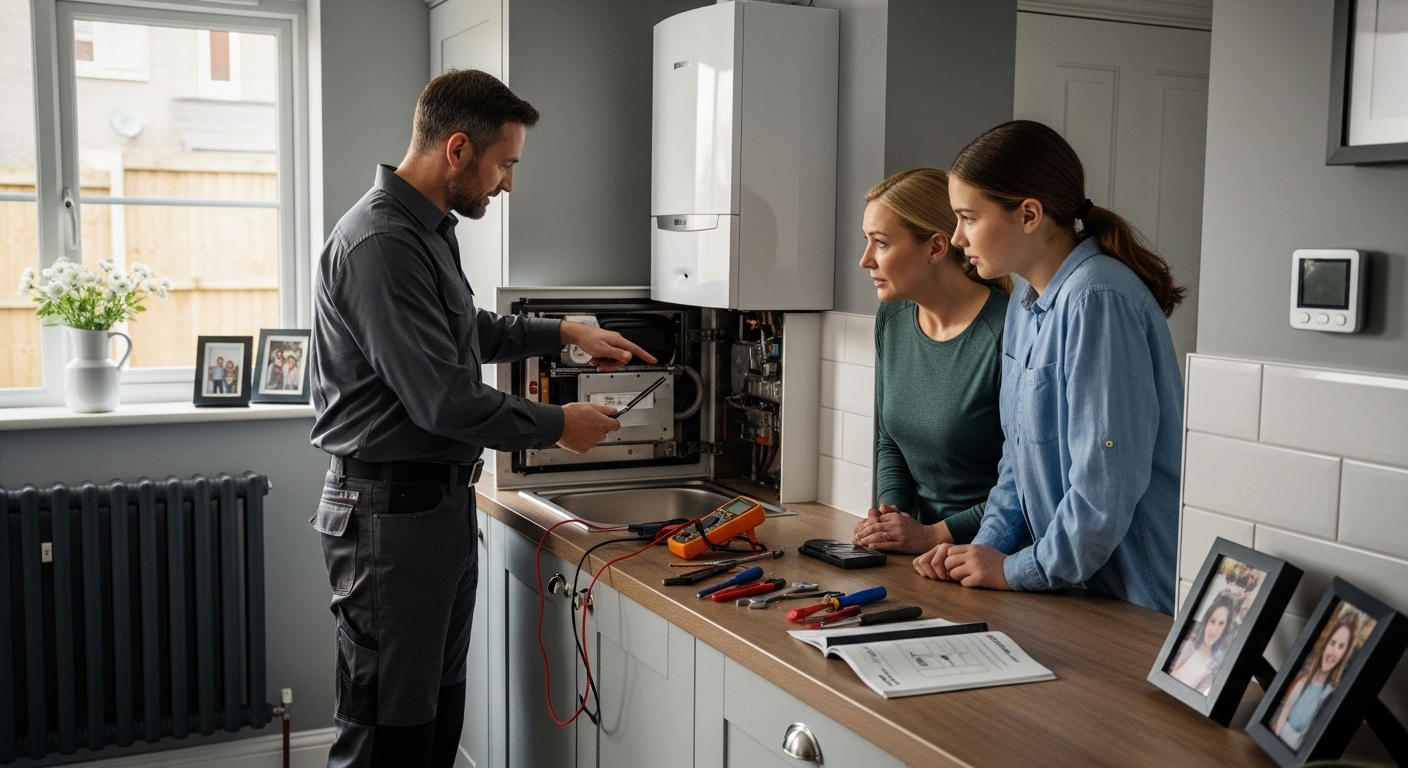
- boiler replacement optionsClicking before ignition
- Continuous humming or flexible
Kettlingboiler servicing packages represents one of the most common noise-related issues. This occurs when limescale and mineral deposits accumulate inside the heat exchanger, creating trapped water that boils and creates steam. The resulting high-pitched whistle suggests your system needs professional descaling to prevent potential long-term damage. can transform your home. Visit
Banging or hammering noises often indicate https://thermatekheating.co.ukair trapped within the system today to get your free quote or expert advice. Now is the time to secure efficient, reliable heating for the years ahead.. This can happen when water cannot circulate properly, creating pressure imbalances that cause dramatic sounds. Bleeding radiators and checking the system’s overall pressure can sometimes resolve these issues.Recommended
Gurgling sounds might signal freezing in the condensate pipe, particularly during colder months. This can cause significant disruption to your heating system and requires careful thawing or professional intervention. New Boiler Installation & Replacement In Edinburgh - Thermatek HeatingNever attempt to thaw pipes using direct heat sourcesBoiler Repair In Edinburgh | 24/7 Emergency Call Out - Thermatek Heating like blowtorches, as this can cause serious damage.Central Heating Power Flushing In Edinburgh - Thermatek Heating
Continuous humming could suggest electrical problems, such as a failing pump or issues with the system’s internal components. While some homeowners might be tempted to investigate independently, Landlord Gas Safety Certificates In Edinburgh - Thermatek Heatingprofessional diagnosis is strongly recommendedTypes Of Home Plumbing Systems: A Guide For Sacramento Area Homeowners 2025 - Legacy Plumbing & Drain - Emergency Plumbers Of Sacramento. Gas Safe Registered engineers have the expertise to identify and resolve complex mechanical issues safely.by Thermatek Heating
Remember, strange boiler noises are your heating system’s way of communicating potential problems. Ignoring these warnings can lead to more extensive and expensive repairs down the line. Prompt professional assessment can save you time, money, and potential safety risks.Why Service Your Boiler: Essential Reasons for Edinburgh Homes
4: Fault 3: Leaking or Dripping Boiler IssuesServicing your boiler might seem like just another routine chore for homeowners in Edinburgh. Yet most people never realise that a neglected boiler can cost up to
A leaking boiler represents a serious issue that demands immediate attention and professional intervention. 30 percent more in energy consumptionHealth and Safety Executive every year and even put your safety at risk. The real surprise is that a professional boiler service is not just about preventing breakdowns but can actually save you hundreds of pounds and keep your home comfortable for longer than you might expect. emphasizes the critical nature of addressing water leaks in heating systems to prevent potential damage and safety risks.To help Edinburgh homeowners quickly compare the consequences of boiler maintenance versus neglect, here’s a summary of how each approach impacts safety, efficiency, costs, and system lifecycle:
Potential locations and causes of boiler leaks include:Aspect
- Damaged seals or gasketsRegular Boiler Servicing
- Corroded pipeworkNeglected Boiler Maintenance
- Pressure valve malfunctionsSafety
- Internal component failuresCarbon monoxide leaks detected, reduced risk of hazardous breakdowns
- Loose pipe connectionsPotential for gas leaks, carbon monoxide poisoning, increased safety hazards
Water leaks can originate from multiple pointsEfficiency & Energy Costs within your boiler system, each indicating different underlying problems. A small drip might seem insignificant, but it can quickly escalate into substantial structural damage if left unresolved. The location of the leak provides crucial diagnostic information for professionals.Up to 30% energy savings, improved system performance
Pressure relief valves are common sources of leakage. When these valves become faulty, they may continuously release water, signaling excessive internal pressure. Increased energy consumption (up to 30% more), declining efficiencyHigh system pressure can cause significant mechanical stressFinancial Impact, potentially leading to more extensive and expensive repairs if not addressed promptly.Lower bills, reduced emergency repairs, extended system lifespan
Corrosion represents another critical factor in boiler leaks. Over time, metal components can deteriorate, creating microscopic cracks and weak points that allow water to escape. This process is accelerated by poor water quality, inadequate maintenance, and age-related wear.Higher energy bills, greater risk of costly breakdowns or replacements
Immediate steps when discovering a boiler leak include:Legal/Insurance Compliance
- Switch off the boiler’s power supplyMeets insurance and legal obligations
- Turn off the water feedRisk of invalidated insurance and legal penalties
- Place a container to catch dripping waterSystem Reliability & Longevity
- Contact a Gas Safe Registered engineerEarly issue detection, longer boiler life
Never attempt to repair complex boiler leaks independentlyIncreased chance of unexpected failures, shortened equipment life span. Professional engineers have the expertise to diagnose the root cause, replace damaged components, and ensure your system’s safety and efficiency. Attempting DIY repairs can void warranties and potentially create more significant problems.Table of Contents
Regular maintenance and annual servicing can help prevent many leak-related issues, protecting your home’s heating system and avoiding unexpected repair costs.Boosting Safety And Preventing Breakdowns
5: Fault 4: Pressure Loss: How to DiagnoseCarbon Monoxide Prevention And Detection
Boiler pressure loss can significantly impact your heating system’s performance and efficiency. Preventing Unexpected Boiler FailuresSouthwark CouncilCompliance And Insurance Considerations highlights the critical importance of maintaining proper system pressure for optimal functioning.Saving Money And Maximising Efficiency
Typical indicators of pressure loss include:Understanding Efficiency Gains
- Inconsistent heating performanceEnvironmental And Financial Benefits
- Reduced hot water temperatureStrategic Maintenance For Long-Term Savings
- Automatic boiler shutdownMeeting Legal Requirements For Landlords
- Warning lights on the pressure gaugeStatutory Maintenance Obligations
- Unusual system noisesTenant Health And Safety Protections
Normal boiler pressure typically ranges between 1 and 1.5 barDocumentation And Compliance Strategy. When pressure drops below this range, your boiler’s safety mechanisms may prevent it from operating correctly. This can occur due to several underlying issues, such as water leaks, faulty valves, or recent system maintenance.Protecting Your Heating Investment
Diagnosing pressure loss requires careful investigation. Start by checking the pressure gauge located on your boiler. If the needle sits below 1 bar, your system is experiencing significant pressure reduction. Modern combination boilers often display digital warnings or fault codes that can provide additional diagnostic information.Extending Equipment Longevity
Common causes of pressure loss include:Financial Risk Management
- Slow water leaks in radiators or pipeworkComprehensive System Preservation
- Recently bled radiatorsQuick Summary
- Damaged pressure relief valveTakeaway
- Internal system component failuresExplanation
Homeowners can attempt basic re-pressurisationRegular boiler servicing increases safety using the boiler’s filling loop. This process involves carefully adding water to the system to restore pressure. However, if you are uncertain or the problem persists, professional intervention becomes crucial. Repeated pressure loss may indicate more serious underlying mechanical issues that require expert assessment.Ensures carbon monoxide leaks are detected and reduces risks of hazardous breakdowns through professional inspections.
Remember that while some pressure fluctuations are normal, consistent pressure loss suggests a problem that should not be ignored. Prolonged low pressure can cause permanent damage to your heating system, potentially leading to costly repairs or complete system replacement.Annual maintenance saves money long-term
6: Fault 5: Boiler Keeps Switching Off – What to CheckImproved efficiency reduces energy bills and avoids costly emergency repairs by maintaining peak performance.
A boiler that repeatedly switches off can be both frustrating and potentially indicative of underlying system problems. Landlords must comply with legal requirementsFlintshire County CouncilMandatory annual gas safety checks and documentation protect tenants and prevent legal penalties for property owners. recommends a systematic approach to diagnosing these intermittent failures.Invest in your boiler for longevity
Potential reasons for unexpected boiler shutdowns include:Regular care extends boiler lifespan and protects your investment from unexpected failures and additional costs.
- Low water pressureMaintain records to ensure compliance
- Thermostat malfunctionsDetailed logs of servicing and inspections are essential for landlords to meet legal obligations and protect tenants.
- Blocked condensate pipeBoosting Safety and Preventing Breakdowns
- Faulty temperature sensorsYour boiler represents more than just a heating system it is a critical component of home safety and comfort. Regular servicing goes far beyond simple maintenance and directly impacts the well-being of your household. Understanding the potential risks associated with neglected boilers can motivate homeowners to prioritize professional inspections and timely repairs.
- Electrical connection issuesCarbon Monoxide Prevention and Detection
Pressure issues represent a common culpritCarbon monoxide represents one of the most dangerous risks associated with poorly maintained boilers. This colourless and odourless gas can leak silently, creating potentially fatal conditions for residents. for boiler interruptions. When system pressure drops below the manufacturer’s recommended range, safety mechanisms automatically shut down the boiler to prevent potential damage. Checking the pressure gauge and re-pressurising the system can often resolve these temporary disruptions.The Health and Safety Executive
Thermostat problems can also trigger unexpected boiler shutdown. Faulty temperature sensors might send incorrect signals, causing the system to interpret temperature readings inaccurately. This can result in frequent and seemingly random system stops. emphasizes that regular maintenance is crucial to prevent safety hazards and ensure efficient boiler operation. Neglecting maintenance can expose households to significant risks, including potential carbon monoxide poisoning.Modern boilers are equipped with multiple safety sensorsProfessional boiler servicing includes comprehensive safety checks that identify potential gas leaks or combustion issues. Trained engineers use specialized equipment to detect even minor carbon monoxide emissions, ensuring your heating system operates safely. They will inspect critical components like heat exchangers, burners, and flue systems to confirm proper functioning and seal integrity. that interrupt operation if they detect potential mechanical or electrical irregularities.Preventing Unexpected Boiler Failures
During colder months, frozen condensate pipes frequently cause boiler shutdowns. The condensate pipe carries waste water away from the boiler, and when it freezes, the system automatically stops to prevent potential damage. Careful thawing using warm (not boiling) water can sometimes resolve this issue.Unexpected boiler breakdowns can be more than inconvenient they can be costly and potentially dangerous.
Immediate troubleshooting steps include:The Health and Safety Executive for Northern Ireland
- Check system pressure advises that appliances fueled by gas, oil, kerosene, or wood must be properly installed, maintained, and used to prevent potential hazards. Regular servicing helps identify wear and tear before it escalates into major system failures.
- Verify thermostat settingsBoiler components experience significant stress during operation. Sediment buildup, corrosion, and mechanical wear can compromise system efficiency and reliability. Professional servicing involves thorough cleaning, component inspection, and predictive maintenance that can prevent sudden breakdowns. Engineers can replace worn parts, adjust settings, and ensure your system operates at peak performance.
- Inspect electrical connectionsCompliance and Insurance Considerations
- Look for error codes on the boiler displayMany home insurance policies and rental agreements require documented boiler maintenance.
- Ensure sufficient gas supplyUK Government guidance
Professional diagnosis is crucial recommends annual gas safety checks to ensure appliances and associated pipework remain in safe condition. Failing to maintain your boiler could potentially invalidate insurance coverage and create legal complications for homeowners and landlords. if basic troubleshooting fails to resolve the issue. Persistent boiler shutdowns can indicate more complex mechanical problems that require expert assessment. Gas Safe Registered engineers can perform comprehensive diagnostics, identifying and rectifying underlying faults that might not be immediately apparent to homeowners.Proactive servicing demonstrates responsible property management. It provides documented evidence of regular maintenance, which can be crucial during insurance claims or property inspections. By investing in professional boiler servicing, you are not just protecting your heating system but safeguarding your property, health, and financial interests.
7: Fault 6: Error Codes Explained – Quick TroubleshootingUltimately, regular boiler servicing is an investment in safety, efficiency, and peace of mind. The modest cost of an annual inspection pales in comparison to the potential expenses and risks associated with neglected heating systems.
Boiler error codes serve as critical communication tools, providing diagnostic insights into potential system malfunctions. Saving Money and Maximising EfficiencySouth Tyneside CouncilReducing energy consumption and minimising heating costs are primary concerns for homeowners seeking smart financial management. Regular boiler servicing plays a crucial role in achieving these objectives by ensuring your heating system operates at peak performance and consumes energy efficiently. highlights the importance of understanding these alphanumeric indicators that can reveal underlying mechanical or electrical issues.Understanding Efficiency Gains
Common error code categories include:Improving boiler efficiency is not just about reducing energy bills it is a strategic approach to sustainable home management.
- Pressure-related problemsResearch from the University of Illinois
- Ignition system failures indicates that regular maintenance can lead to efficiency gains of approximately 1.6%, with payback periods often less than six months. These seemingly small improvements translate into substantial long-term financial savings.
- Temperature sensor malfunctionsBoiler efficiency depends on multiple factors including system age, maintenance frequency, and component condition. Accumulated dust, sediment, and minor mechanical wear can significantly reduce performance. Professional servicing involves comprehensive cleaning, calibration, and precise adjustments that restore and sometimes enhance system efficiency. Technicians can identify and rectify issues that might be imperceptible to homeowners but dramatically impact energy consumption.
- Electrical connection issuesEnvironmental and Financial Benefits
- Gas supply interruptionsThe US Department of Energy
Low pressure error codes highlights that upgrading from a 56% to a 90% efficient boiler can save 1.5 tons of CO2 emissions annually for natural gas heating. This demonstrates that efficient boiler operation is not just a financial consideration but also an environmental responsibility. By maintaining your boiler, you contribute to reducing carbon footprint while simultaneously managing household expenses. typically appear as E119 or similar numeric combinations. These warnings indicate system pressure has dropped below the manufacturer’s recommended threshold. Homeowners can often resolve these by carefully repressurising the system using the filling loop, following the specific instructions provided in their boiler manual.Moreover,
Ignition-related errors such as E133 suggest potential gas supply interruptions or spark generator problems. These codes might appear after power cuts or when gas supply becomes inconsistent. ENERGY STAR certificationBefore calling a professional suggests that certified gas boilers can save about $780 over the product’s lifetime. These savings are achieved through advanced design, improved insulation, and more precise temperature control. Regular servicing ensures that these efficiency features continue to function optimally throughout the boiler’s operational life., try resetting the boiler by turning it off and on, ensuring all gas valves are open and other gas appliances function correctly.Strategic Maintenance for Long-Term Savings
Temperature sensor errors frequently manifest as cryptic alphanumeric codes. These can indicate faulty temperature readings or sensor degradation. Modern boilers incorporate multiple safety mechanisms that automatically shut down when sensors provide unreliable information, protecting the system from potential damage.Consider boiler servicing as a strategic investment rather than an additional expense. A well-maintained boiler consumes less energy, requires fewer emergency repairs, and has a significantly extended lifespan. The cost of annual professional servicing is minimal compared to potential expenses associated with major repairs or premature system replacement.
Quick troubleshooting steps for error codes include:Homeowners can further enhance efficiency by combining professional servicing with smart usage practices. This includes setting appropriate temperatures, using programmable thermostats, and ensuring proper insulation. Professional engineers can provide tailored advice on optimising your specific heating system for maximum efficiency.
- Note the exact error code displayedIn essence, regular boiler servicing is a proactive approach to energy management. It represents a smart financial strategy that balances immediate cost savings with long-term system reliability and performance. By investing in professional maintenance, you protect both your financial interests and your home’s comfort infrastructure.
- Consult the boiler’s user manualMeeting Legal Requirements for Landlords
- Check basic system componentsLandlords face significant legal responsibilities when managing rental properties, particularly regarding heating systems and boiler maintenance. Understanding and complying with legal requirements is not just about avoiding penalties but ensuring tenant safety and maintaining property standards.
- Verify power and gas supplyStatutory Maintenance Obligations
- Attempt a system resetLegal frameworks in the UK impose strict obligations on landlords regarding heating and boiler maintenance. The
- Contact a Gas Safe Registered engineer if issues persistGas Safety (Installation and Use) Regulations 1998
Never ignore persistent error codes mandate that all gas appliances in rental properties must be maintained in safe working condition. This includes annual safety inspections by Gas Safe Registered engineers, comprehensive documentation, and prompt repair of any identified issues.. While some can be resolved through simple reset procedures, recurring warnings might signal more significant mechanical problems requiring professional diagnostic assessment. Gas Safe Registered engineers possess the expertise to interpret complex error codes and implement appropriate repairs.These regulations require landlords to obtain an annual gas safety certificate, which must be provided to tenants within 28 days of the inspection. Failure to comply can result in substantial fines, potential legal action, and invalidation of landlord insurance policies. The certificate serves as crucial documentation proving that all gas appliances have been professionally checked and deemed safe for continued use.
8: Fault 7: Strange Smells – Safety Concerns and ActionsTenant Health and Safety Protections
Strange smells from your boiler can be more than just an unpleasant inconvenience - they might signal potentially dangerous underlying issues. Beyond gas safety, landlords must ensure heating systems meet minimum performance standards. Public Health EnglandThe Homes (Fitness for Human Habitation) Act 2018 warns that unusual odours can indicate serious safety risks requiring immediate attention. requires rental properties to provide adequate heating and hot water. This legislation empowers tenants to take legal action if their living conditions do not meet basic habitability standards.
Different smells suggest various potential problems:Professional boiler servicing becomes a critical component of meeting these legal requirements. Regular maintenance demonstrates proactive management and ensures that heating systems operate efficiently and safely. Landlords who neglect these responsibilities risk not only legal repercussions but also potential tenant disputes and property damage.
- Burning electrical odoursDocumentation and Compliance Strategy
- Rotten egg smellMaintaining comprehensive records is crucial for landlords navigating legal requirements. This includes keeping detailed service logs, safety certificates, and maintenance reports.
- Musty or damp scentsThe Landlord and Tenant Act 1985
- Sharp metallic or chemical odours emphasizes the landlord’s responsibility to maintain the structure and exterior of the property, which includes critical systems like heating.
- Acrid burning smellA strategic approach to boiler maintenance involves scheduling annual inspections, maintaining detailed documentation, and addressing any identified issues promptly. Landlords should work with certified professionals who understand the legal landscape and can provide comprehensive servicing that meets all regulatory requirements.
Gas leaks are particularly dangerous and require urgent actionUltimately, meeting legal requirements is about more than avoiding penalties. It represents a commitment to tenant safety, property preservation, and professional property management. By prioritizing regular boiler servicing, landlords protect their investments, maintain positive tenant relationships, and ensure compliance with complex legal frameworks governing rental properties.. The distinctive rotten egg smell indicates natural gas or propane leakage, which presents an immediate explosion and poisoning risk. If you detect this odour, follow critical safety protocols: immediately evacuate the property, avoid using electrical switches, open windows if possible, and contact emergency services from a safe location.Below is a table summarising key legal requirements and responsibilities for landlords regarding boiler and heating maintenance, as detailed in the article:
Electrical burning smells might suggest internal wiring issues or component overheating. These odours could indicate potential fire risks or imminent electrical system failure. Legal Requirement/StandardPersistent burning smells should never be ignoredWho/What Is Affected, as they can precede more serious mechanical breakdowns or electrical short circuits.Key Obligation
Musty or damp scents often signal moisture accumulation within the boiler system. This can lead to:Gas Safety (Installation & Use) Regulations 1998
- Potential mould growthAll rental properties
- Corrosion of internal componentsAnnual gas safety checks, safety certificates
- Reduced system efficiencyHomes (Fitness for Human Habitation) Act 2018
- Potential health hazardsRental properties, tenants
- Increased risk of mechanical failureAdequate heating and hot water provision
Carbon monoxide represents a silent but deadly riskLandlord and Tenant Act 1985. This odourless gas can be produced by faulty combustion processes in gas appliances. Installing a carbon monoxide alarm is crucial for detecting potential leaks that human senses cannot identify. These alarms provide an essential early warning system that can potentially save lives.Landlords
If strange smells persist, do not attempt to diagnose or repair the issue independently. Contact a Gas Safe Registered engineer immediately to conduct a comprehensive system inspection and ensure your home’s safety.Maintain property structure & heating system
Below is a comprehensive table summarising the key boiler faults, their causes, and recommended actions, offering a clear overview of the article’s essential information.Insurance and Rental Agreement Provisions
| Boiler Fault/TopicHomeowners, landlords | Typical CausesDocumentation of servicing for compliance | Warning Signs/SymptomsThis table helps landlords and property managers quickly identify their main legal servicing responsibilities. | Recommended ActionsProtecting Your Heating Investment |
|---|---|---|---|
| No Heating or Hot WaterA boiler represents a significant financial investment for homeowners, typically costing several thousand pounds to purchase and install. Protecting this investment requires strategic maintenance, proactive care, and a comprehensive understanding of long-term system preservation. By implementing careful maintenance practices, homeowners can extend their boiler’s operational lifespan and maintain its performance integrity. | Low pressure, faulty thermostat, gas supply issues, airlockExtending Equipment Longevity | No hot water or radiator warmthModern boilers are sophisticated pieces of engineering designed to provide reliable heating for many years. | Check pressure, thermostat, gas; call engineer if unresolvedConsumer Reports |
| Strange Noises (Kettling, Banging) suggests that well-maintained boilers can operate efficiently for 10-15 years, sometimes even longer. However, this longevity is contingent upon regular professional servicing and timely interventions. | Limescale build-up, trapped air, mechanical faultsComponent wear is an inevitable process in heating systems. Mechanical parts experience stress during operation, with temperature fluctuations, pressure changes, and continuous thermal cycling contributing to gradual degradation. Professional servicing involves thorough inspections that identify early signs of wear, allowing for preventative replacements before catastrophic failures occur. This approach transforms potential emergency repairs into planned, manageable maintenance. | Whistling, banging, gurgling, hummingFinancial Risk Management | Bleed radiators, check for pipework issues, seek professional help if persistentThe Energy Saving Trust |
| Leaking or Dripping Boiler highlights that neglected boilers can lose efficiency rapidly, potentially increasing energy consumption by up to 30%. This efficiency decline translates directly into higher operational costs and reduced system performance. Regular servicing acts as a financial risk management strategy, preventing incremental performance deterioration that can lead to substantial economic losses. | Damaged seals, corroded pipes, faulty valvesUnplanned boiler replacements represent a significant financial burden for homeowners. By contrast, scheduled maintenance creates predictable, manageable expenses. Professional engineers can provide detailed assessments of your system’s condition, offering strategic recommendations that help budget for potential future replacements. This approach transforms an unexpected financial shock into a planned investment. | ||
Recommended
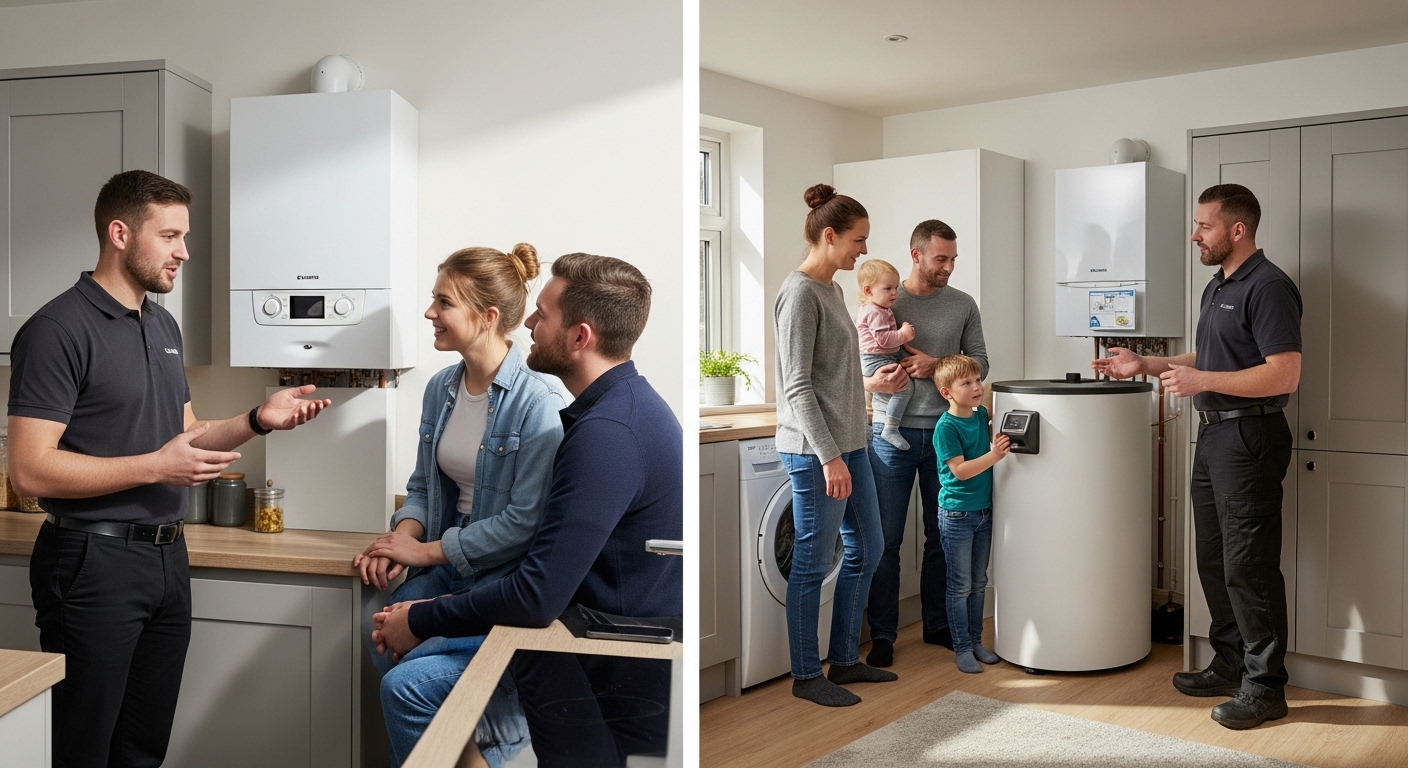
Energy efficiency and operational expenses represent critical considerations when selecting between combi and system boilers, with substantial long-term financial implications for homeowners. Understanding the nuanced efficiency characteristics of each system can lead to more informed decision-making and potential cost savings.
Combi boilersTo help you choose the most suitable gas boiler for your Edinburgh home, the table below compares the three main boiler types mentioned in the article, highlighting their key features and recommended property suitability. are generally recognized for their superior energy efficiency, primarily due to their Boiler Typedirect heating mechanismKey Features. By heating water instantaneously, these units eliminate standby heat losses associated with stored water cylinders. According to Best ForGovernment Energy Savings AnalysisCombi Boiler, modern combi boilers can achieve efficiency ratings approaching 90-95%, translating to significant energy conservation:Instant hot water & heating, no separate tank needed
- Minimal heat loss during water heatingSmall homes, limited space
- No requirement for additional hot water storageSystem Boiler
- Lower initial installation costsRequires hot water cylinder, meets high demand
- Reduced maintenance requirementsMultiple bathrooms, families
System boilersConventional Boiler, while slightly less efficient due to the hot water cylinder, offer unique energy management advantages. The separate cylinder can be equipped with high-quality insulation, reducing heat dissipation and maintaining water temperature more effectively. This design allows for strategic energy consumption, particularly when integrated with off-peak electricity tariffs or renewable energy systems.Uses cylinder & tanks, traditional setup
Running costs fluctuate based on several interconnected factors. Combi boilers typically demonstrate lower operational expenses for smaller households with moderate hot water demands. Their compact design and direct heating approach mean reduced energy consumption and minimal heat wastage. Conversely, larger households with multiple simultaneous water usage requirements might find system boilers more economically viable.Older properties, upgrades
The Energy efficiency ratings play a crucial role in selection. Modern condensing boilers offer efficiency levels up to 95%, significantly reducing energy consumption and monthly heating costs. environmental impactThe Energy Saving Trust extends beyond immediate financial considerations. Modern boilers are designed with enhanced eco-credentials, incorporating advanced condensing technology that captures and reuses heat that would traditionally be lost. This approach not only reduces energy consumption but also minimizes carbon emissions, aligning with broader sustainability objectives. recommends looking for boilers with high SEDBUK (Seasonal Efficiency of Domestic Boilers in the UK) ratings to maximize long-term savings.
Homeowners should conduct a comprehensive assessment of their specific household characteristics. Factors such as property size, occupancy levels, hot water consumption patterns, and existing infrastructure will significantly influence the most cost-effective and energy-efficient boiler selection.Property-Specific Considerations
6: Space Requirements for Each Boiler TypeChoosing the right boiler involves a detailed assessment of your property’s specific characteristics. Key factors include:
The spatial considerations for combi and system boilers represent a crucial factor in determining the most appropriate heating solution for different property types. Understanding the specific space requirements can help homeowners make informed decisions about their heating infrastructure.Total floor area and number of rooms
Combi boilersExisting heating infrastructure are renowned for their Number of bathrooms and hot water requirementscompact designProperty insulation quality, making them an ideal solution for properties with limited space. According to Local climate conditionsGovernment Heating Policy ProposalsProfessional heating engineers conduct comprehensive surveys to determine the most suitable boiler size and type. Oversized boilers waste energy, while undersized units struggle to meet heating demands. Precise heat load calculations ensure optimal performance, considering factors such as wall insulation, window quality, and overall property design., these units currently dominate the UK market, accounting for approximately 80% of gas boiler sales. Their space-saving advantages include:Long-Term Performance and Cost Considerations
- Compact wall-mounted configurationBeyond initial installation, homeowners must consider long-term performance and total ownership costs.
- No requirement for separate water storage tanksResearch from the UK’s Energy Saving Trust
- Suitable for smaller properties and apartments indicates that investing in a high-efficiency boiler can save up to £300 annually on heating bills.
- Minimal additional infrastructure neededAdditional considerations include:
In contrast, Warranty and manufacturer reputationsystem boilersMaintenance and servicing requirements demand more comprehensive spatial planning. These units require a separate hot water cylinder, which necessitates dedicated space within the property. The additional infrastructure means careful consideration of available area becomes paramount. Typically, the hot water cylinder can be installed in airing cupboards, utility rooms, or dedicated storage spaces, but this requirement significantly impacts overall space utilization.Compatibility with smart heating controls
The physical footprint of each boiler type varies considerably. Combi boilers are often compact enough to be installed in kitchen cupboards or mounted on walls, presenting a streamlined solution for modern homes with restricted square footage. System boilers, with their additional cylinder, require more strategic placement and potentially larger designated areas.Potential renewable energy integration
Homeowners must evaluate their specific property characteristics when considering space requirements. Factors such as available wall space, storage room configurations, and overall property layout will influence the most suitable boiler selection. Older properties with more generous spatial configurations might more easily accommodate system boilers, while newer, more compact dwellings often benefit from the space-efficient design of combi boilers.Future-proofing heating capabilities
Professional assessment remains crucial in determining the most appropriate boiler type. Heating engineers can provide precise measurements and recommendations based on individual property specifications, ensuring optimal space utilization and heating efficiency.Edinburgh residents should prioritize boilers that offer a balance between upfront costs and long-term efficiency. Professional consultation helps navigate these complex decisions, ensuring you select a boiler that meets your specific heating needs while maintaining optimal energy performance.
7: Making the Right Choice for Your PropertyBy carefully evaluating these factors, homeowners can make an informed decision that provides reliable heating, reduces energy costs, and supports environmental sustainability.
Selecting the most appropriate boiler for your property involves a comprehensive evaluation of multiple interconnected factors. Compliance, Safety and Aftercare EssentialsHomeowners must carefully assess their specific household requirementsEnsuring the safety and long-term performance of a new gas boiler installation requires comprehensive understanding of regulatory compliance, ongoing maintenance, and proactive aftercare strategies. Edinburgh homeowners must prioritize these critical aspects to protect their investment and guarantee household safety. to ensure optimal heating and hot water performance.Regulatory Compliance and Safety Standards
According to According to the Health and Safety ExecutiveThe Heating Hub, gas boiler installations demand strict adherence to national safety protocols. Only Gas Safe Registered engineers can legally undertake gas-related work, ensuring that every installation meets rigorous professional standards. , the decision between combi and system boilers hinges on several critical considerations:Our boiler replacement service
- Number of bathrooms in the property maintains full compliance with these critical safety regulations.
- Household occupancy and hot water demandKey compliance requirements include:
- Available installation spaceMandatory Gas Safe Registration for engineers
- Budget for initial installation and long-term running costsComprehensive safety certification
- Property size and infrastructureDetailed installation documentation
Combi boilersPrecise adherence to manufacturer specifications are ideally suited for smaller properties with limited space and lower hot water demands. These units excel in compact apartments, small houses, and homes with minimal simultaneous water usage. Their Regular safety inspections and maintenance checksinstantaneous heating mechanismThese standards protect homeowners from potential hazards such as gas leaks, carbon monoxide risks, and system inefficiencies. Professional documentation provides legal protection and ensures your heating system meets all necessary regulatory benchmarks. and space-efficient design make them an attractive option for couples, single professionals, or small families with straightforward hot water requirements.Maintenance and Ongoing Performance Management
System boilersThe Energy Saving Trust become the preferred choice for larger households experiencing higher hot water consumption. Families with multiple bathrooms, frequent simultaneous water usage, or more complex heating needs will benefit from the system boiler’s robust hot water storage capabilities. The separate hot water cylinder enables consistent water pressure and temperature across multiple outlets, ensuring reliable performance during peak usage periods. emphasizes that regular maintenance is crucial for maintaining boiler efficiency and preventing unexpected breakdowns. Annual professional servicing helps identify potential issues before they escalate, extending the system’s operational lifespan and maintaining optimal performance.
Beyond immediate performance considerations, homeowners must also evaluate long-term financial implications. While combi boilers often present lower initial installation costs and potentially reduced energy consumption, system boilers might offer more economic advantages for households with substantial hot water demands. The ability to integrate with alternative energy sources, such as solar thermal systems, can provide additional financial and environmental benefits.Comprehensive maintenance typically involves:
Professional assessment remains paramount in making an informed decision. Qualified heating engineers can conduct comprehensive property surveys, analyzing factors such as existing infrastructure, water pressure, household usage patterns, and future scalability. This expert evaluation ensures that the selected boiler system not only meets current requirements but also provides flexibility for potential future modifications.Detailed system efficiency assessment
The following table provides a comprehensive summary of the key differences, benefits, and considerations when comparing combi and system boilers, as discussed throughout the article.Cleaning of critical components
| AspectPressure an | Combi Boilersd connection integrity checks | System BoilersCalibration of heating controls |
|---|---|---|
| Hot Water DeliveryIdentification of potential wear and replacement needs | Heats water instantly from the mains, providing on-demand hot water with no storage requiredHomeowners should maintain detailed service records, documenting each maintenance intervention. | Uses a separate hot water cylinder, enabling multiple simultaneous outlets and consistent supplyCornell University’s safety guidelines |
| Space Requirements recommend retaining maintenance logs for a minimum of five years to track system performance and facilitate future inspections. | Very compact; no cylinder or tanks needed—ideal for small properties with limited spaceWarranty Protection and Long-Term Care | Requires dedicated space for a cylinder; better suited to larger homesProper aftercare extends beyond routine maintenance. Understanding and preserving manufacturer warranties requires meticulous attention to service requirements and recommended maintenance schedules. Most warranties mandate annual professional servicing to remain valid, making proactive care a financial and safety imperative. |
| Installation ComplexityKey warranty protection strategies include: | Simple installation, minimal pipework, lower initial costs, quick setupRegistering the boiler with the manufacturer immediately after installation | More complex install with additional plumbing for the cylinder; higher initial setup costsCompleting all recommended maintenance within specified timeframes |
| Efficiency & Running CostsUsing only manufacturer-approved replacement parts | High energy efficiency (up to 95%), minimal heat loss, lower running costs for small householdsMaintaining comprehensive service documentation | Slightly lower direct efficiency but better for large demands; can leverage off-peak energyResponding promptly to any performance anomalies |
| Best Suited ForBy implementing these comprehensive compliance, safety, and aftercare strategies, Edinburgh residents can ensure their new gas boiler installation remains efficient, safe, and reliable throughout its operational lifecycle. Professional guidance and consistent maintenance are the cornerstones of responsible boiler ownership. | Flats, apartments, and homes with low-to-moderate hot water usageFrequently Asked Questions | Larger households or those with multiple bathrooms and higher simultaneous hot water needsWhat are the benefits of installing a modern gas boiler? |
| Key ProsModern gas boilers can achieve efficiency levels of up to 95%, significantly reducing energy costs and environmental impact. This can lead to savings of up to £300 annually on heating bills compared to older models. | Space-saving, immediate hot water, reduced installation costsHow do I choose the right type of boiler for my home? | Consistent hot water for many outlets, compatible with solar, higher performance under heavy useWhen selecting a boiler, consider factors such as your property size, the number of bathrooms, and your hot water demands. Combi boilers are great for small homes, while system boilers are better for larger households with multiple bathrooms. |
| Key ConsWhat is the importance of professional installation for gas boilers? | Limited flow rate for multiple outlets, possible temperature drops under high demandProfessional installation by Gas Safe Registered engineers ensures compliance with legal and safety standards, protects against hazards such as gas leaks, and guarantees optimum performance of the heating system. | Requires space for cylinder, higher initial cost, potential for heat loss in storageHow often should I schedule maintenance for my gas boiler? |
| Professional AssessmentIt is recommended to have your gas boiler serviced annually by a qualified professional. Regular maintenance is essential for maintaining efficiency, extending the boiler’s lifespan, and ensuring safety. | Essential for evaluating property size, usage patterns, and infrastructure for optimal selectionUpgrade Your Heating with Trusted Local Experts |

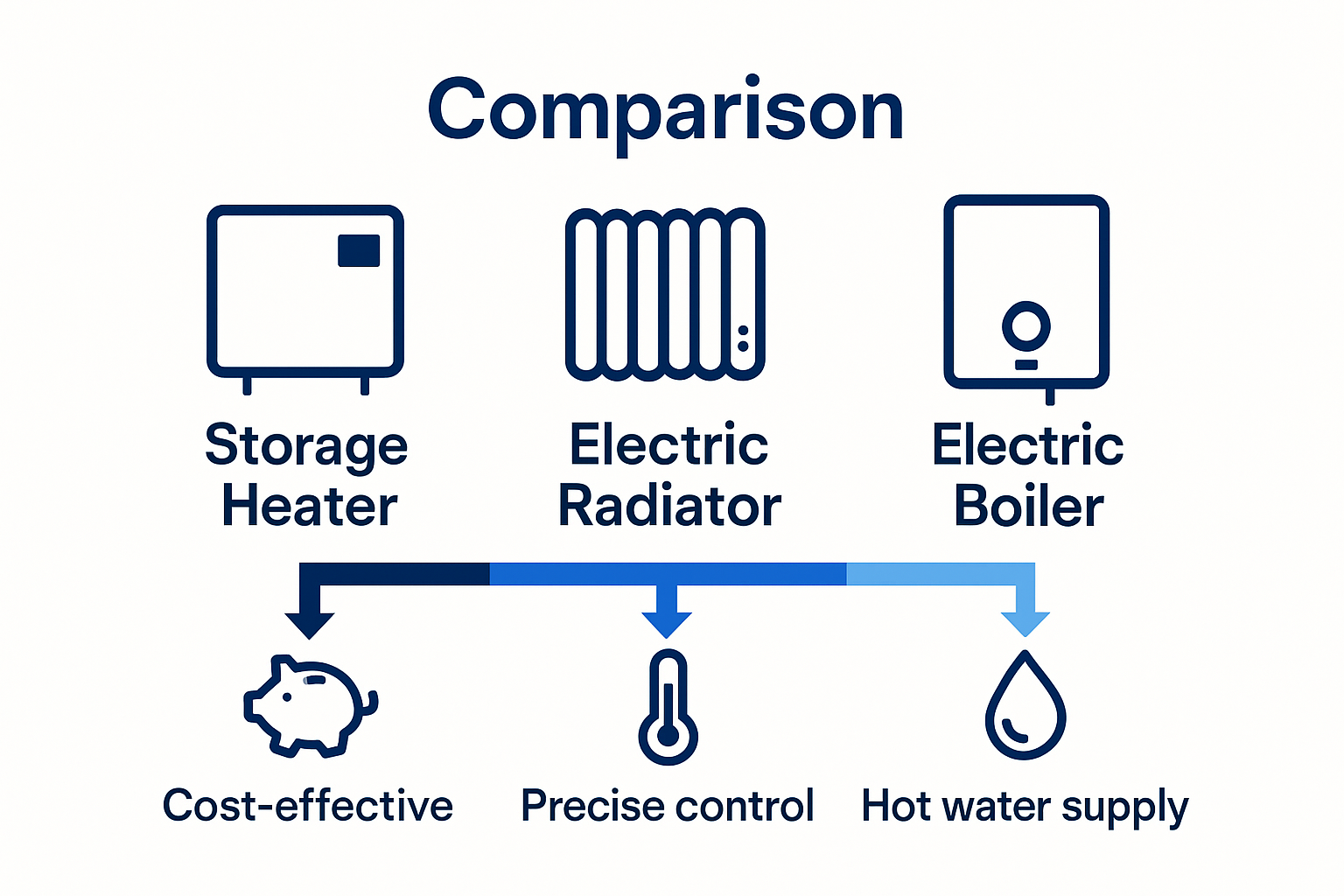
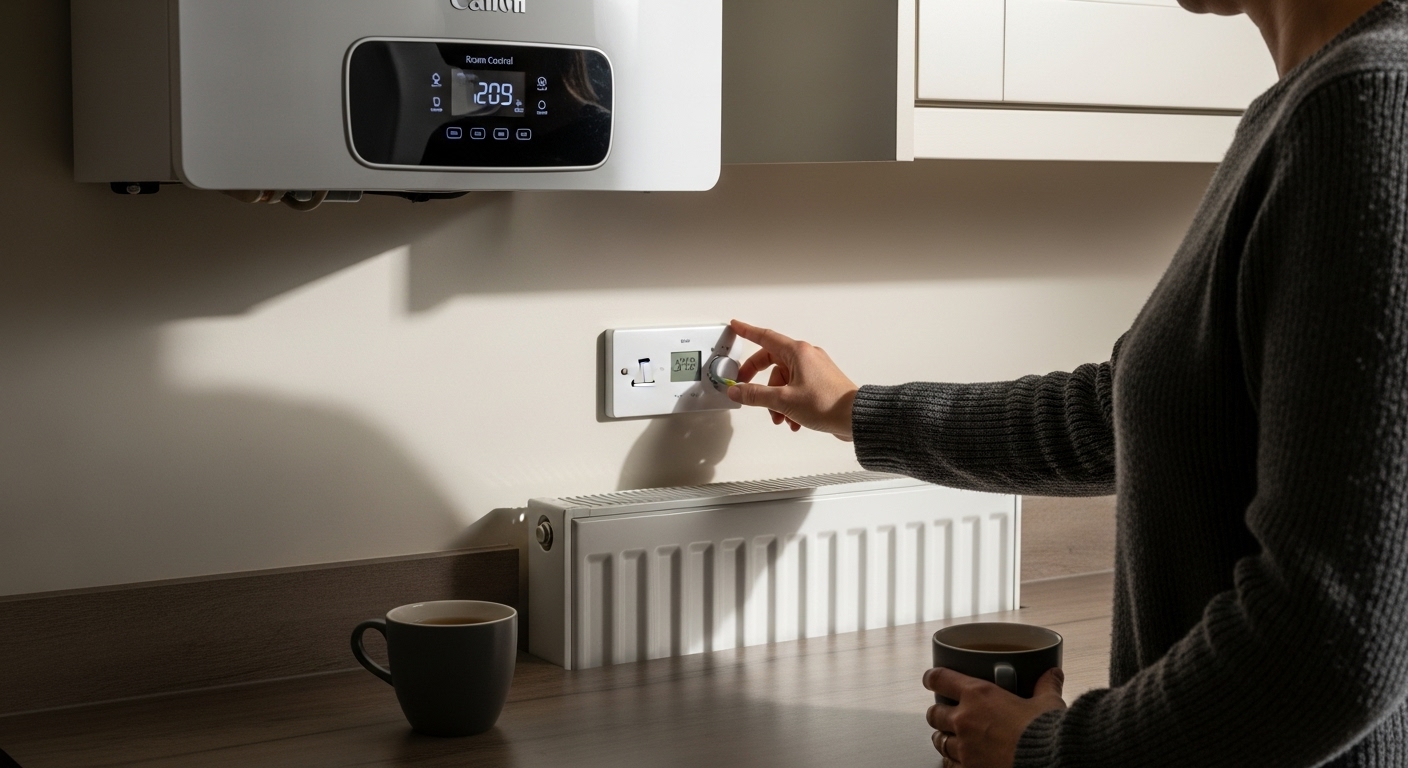
Annual professional inspections are essential to renewable installations like air source heat pumps, every service is delivered by accredited, trusted engineers with proven results.
Why wait to enjoy energy savings and peace of mind? Visit Thermatek Heating today to request your free quote. Start your journey to a warmer, greener, and more cost-effective home now.Qualified engineers can detect dangerous issues and ensure proper functioning of heating systems during routine maintenance.
Frequently Asked QuestionsVisual checks help identify early issues
What types of electric heating systems are available?Homeowners should routinely inspect for irregularities such as leaks and strange noises to address problems promptly.
Electric heating systems include storage heaters, electric radiators, and electric boilers. Each option caters to different heating needs and preferences, offering flexibility in heating residential and commercial spaces.|
How do electric heating systems improve energy efficiency? |
Electric heating systems utilise advanced technologies like resistance heating and heat pumps, achieving high energy conversion rates. They often feature intelligent controls that optimise energy consumption, reducing overall energy wastage while maintaining comfort.Maintain correct boiler pressure
What are the environmental benefits of using electric heating? | Keeping boiler pressure between 1-1.5 bar helps avoid potential system failures and ensures optimal heating performance. |
Electric heating systems produce zero direct carbon emissions at the point of use and can integrate with renewable energy sources. They align with sustainability goals by significantly reducing household carbon footprints compared to traditional fossil fuel heating methods. |
How do I choose the right electric heating system for my home?Keep radiators free from obstructions
Selecting the right system depends on factors like property size, insulation levels, and personal heating preferences. Older properties may benefit from storage heaters, whereas modern, well-insulated homes might be more suited to air source heat pumps or electric radiators. | Ensuring clear space around radiators enhances heat distribution and improves system efficiency, saving energy in the long run. |
RecommendedWhy Central Heating Maintenance Matters
by Thermatek HeatingThe Hidden Costs of Neglecting Heating Systems